
Nutrient quality
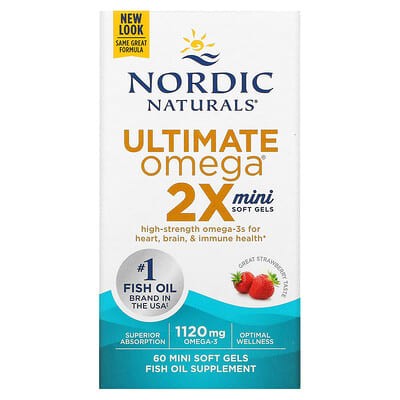
The stated omega-3 amount is substantial. EPA and DHA labels are present, but repeated total amounts do not establish a clean fatty-acid breakdown.
 Daily Vita Daily Vita | $ 45.01 | |
 iHerb iHerb | $ 45.01 | |
 Pure Formulas Pure Formulas | $ 45.01 | |
 Vitacost Vitacost | $ 47.39 | |
 Walmart Walmart | $ 42.46 |
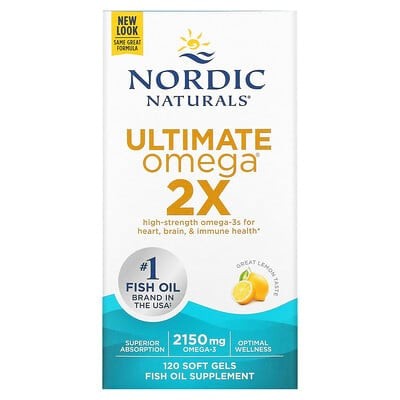
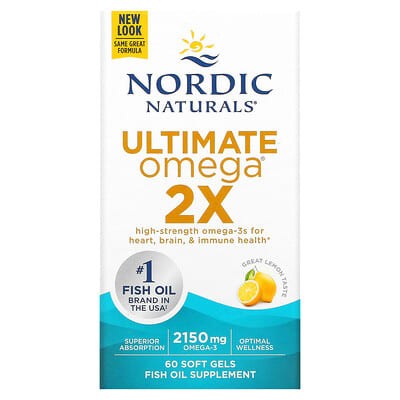
The two-softgel serving lists 2,150 mg total omega-3, making it one of the most concentrated options in the group. That amount is better suited to focused high-intake use than casual maintenance.
Repeated component entries do not clearly separate EPA, DHA, and other omega-3 amounts. The source oil, molecular form, oxidation protection, and purity verification are also not supplied.
It fits adults who have a defined reason for a concentrated serving and accept the premium recurring cost. Routine users may obtain adequate support from a lower-dose, clearer product.
The stated omega-3 amount is substantial. EPA and DHA labels are present, but repeated total amounts do not establish a clean fatty-acid breakdown.
EPA and DHA labels are present, but repeated total amounts do not establish a clean fatty-acid breakdown. Complete usage, inactive-ingredient, molecular-form, and purity details remain unavailable.
The supplied aggregate rating and review volume provide a useful satisfaction signal. Specific comments are unavailable, so recurring complaints and purpose-specific experiences cannot be assessed.
The active amount partly supports the cost, but disclosure gaps weaken quality-adjusted value. The product is moderately competitive but lacks the disclosure needed for a stronger comparison.

Omega-three fatty acids support skin barrier lipids and help regulate inflammatory signaling. The 2,150 mg total amount provides substantial depth for that pathway.
The streamlined formula concentrates on one relevant pathway instead of spreading the serving across many actives. The label gives a total amount but does not clearly separate EPA and DHA or establish molecular form and purity testing.

Omega-3 fatty acids support inflammatory balance and may reduce stiffness in inflammatory joint conditions. Human evidence supports EPA and DHA for inflammatory pathways, though joint benefits are less consistent than their cardiovascular effects.
The 2,150 mg total omega-3 amount is meaningful for anti-inflammatory support. Total omega-3 is disclosed, but the ingredient data do not clearly separate EPA and DHA or identify molecular form and purity testing.

A substantial omega-3 amount may support lipid handling and metabolic health, but it is not a direct metabolism-boosting active. Its strongest role is lipid support rather than increasing energy expenditure.
The total omega-3 quantity is clearly stated, while separate EPA and DHA yields are not provided in the supplied data. The high-potency serving provides depth for omega-3 use but does not add thermogenesis, mitochondrial transport, or targeted glycemic control.
| Ingredient | Amount per serving |
|---|---|
Calories | 25 Calorie(s) |
Total Fat | 2.5 Gram(s) |
Total Omega-3 Fatty Acids (Docosahexaenoic Acid, Eicosapentaenoic Acid, Other Omega-3 Fatty Acids) | 2150 mg |
The supplied label data separately associates amounts with EPA and DHA and indicates a highly concentrated omega-3 serving. Molecular form, fish source, antioxidant protection, and independent purity verification are not shown, which limits confidence in absorption and freshness. Active-amount cost appears favorable, although the repeated total-omega entries make the fatty-acid breakdown less clear than a conventional EPA and DHA panel.
Published studies used for the product analysis and the top-ranked studies for each ingredient and goal.