
Nutrient quality
Carotenoid selection is logically aligned with macular support. Opaque carotenoid amounts and a very low omega-3 dose make potency difficult to establish.
.
 Pure Formulas Pure Formulas | $ 28.42 | |
 iHerb iHerb | $ 28.77 | |
 Daily Vita Daily Vita | $ 27.20 | |
 Vitacost Vitacost | $ 31.17 |
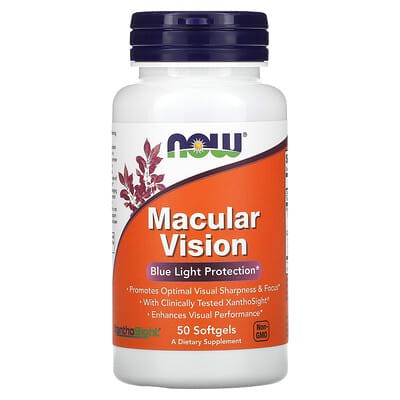
The formula is built mainly around eye carotenoids, while its fish oil contributes only 75 mg EPA and 50 mg DHA per serving. Individual lutein and zeaxanthin amounts are not shown, making the principal eye-support blend difficult to judge.
The low EPA-and-DHA amount is better suited to light supplemental use than to someone seeking a concentrated omega-3 serving. The active-dose value is limited relative to the formula and serving cost.
The label does not identify the omega-3 molecular form or provide independent purity and oxidation test results, so important quality details remain uncertain. The softgel(s) format may be convenient for routine use, but the disclosed facts do not establish freshness or contaminant control.
Carotenoid selection is logically aligned with macular support. Opaque carotenoid amounts and a very low omega-3 dose make potency difficult to establish.
.The major fish-oil amounts are shown, but the branded carotenoid blend prevents full potency assessment. Complete use directions, excipients, and some source or quality details remain unavailable.
.Supplied aggregate data indicate favorable satisfaction with a moderate response base. Specific comments are absent, so recurring complaints and purpose-specific experiences cannot be verified.
.Relevant carotenoid selection provides a plausible eye-support concept. Hidden blend amounts, weak omega-3 potency, and high relative cost sharply limit value.
.| Ingredient | Amount per serving |
|---|---|
Calories | 5 Calorie(s) |
Total Fat | 0.5 Gram(s) |
Fish Oil concentrate | 500 mg |
Omega-3 Fatty Acids | 0 NP |
Eicosapentaenoic Acid | 75 mg |
Docosahexaenoic Acid | 50 mg |
XanthoSight Oil | 150 mg |
The fish-oil form is unspecified, and EPA makes up only a small share of the oil. Although the EPA-to-DHA ratio is favorable, the absolute EPA dose is too low for meaningful EPA-focused support. The high cost per unit of EPA and missing purity verification make it a weak fit for this collection.
The fish-oil component supplies individually disclosed EPA and DHA, but the combined amount is very low. Its active concentration is also low relative to the total oil. High cost per active amount and absent quality-process details make it a weak fish-oil choice, even though the broader formula targets eye support.
Published studies used for the product analysis and the top-ranked studies for each ingredient and goal.