

Nutrient quality
A substantial complete-protein amount provides the main nutritional strength. Unspecified protein and mineral forms plus limited heart-specific design reduce confidence in quality and intended-use fit.
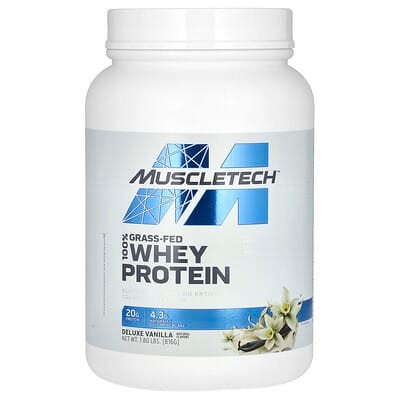
 iHerb iHerb | $ 44.86 |
The powder provides 20 g complete protein, enough to contribute meaningfully to daily intake. Its grass-fed positioning is stated, but the exact whey form and processing are not supplied.
Nine grams of carbohydrate is relatively high for the protein delivered, while potassium is low. Sodium is modest, but the formula offers little direct support for the specified heart-health goal.
Core nutrition facts are provided, yet inactive ingredients and whey type remain absent. Those gaps make it difficult to assess sweeteners, flavoring, lactose content, and overall formulation quality.
A substantial complete-protein amount provides the main nutritional strength. Unspecified protein and mineral forms plus limited heart-specific design reduce confidence in quality and intended-use fit.
Protein and basic nutrition totals are clear enough to judge the main serving. Missing source ingredients, mineral forms, full directions, and non-active ingredients prevent complete label assessment.
The supplied average is strong and supported by moderate response volume. No comment-level evidence is available to assess repeated complaints or alignment with the intended use.
A substantial complete-protein serving provides practical nutritional value. Incomplete source disclosure and weak heart-specific utility limit the quality case at the stated category cost.
| Ingredient | Amount per serving |
|---|---|
Calories | 140 Calorie(s) |
Total Fat | 2.5 Gram(s) |
Cholesterol | 60 mg |
Sodium | 100 mg |
Total Carbohydrates | 9 Gram(s) |
Protein | 20 Gram(s) |
Vitamin D | 0.1 mcg |
Calcium | 150 mg |
Iron | 0.2 mg |
Potassium | 110 mg |
The sodium amount is too low for strenuous exercise, and both sodium and potassium forms are undisclosed. Potassium offers limited supporting coverage, with no magnesium or buffering compound identified. The relatively high serving cost and larger carbohydrate load make this protein powder weak value as an electrolyte source.
Food-derived potassium is present at a little above the standard low dose, but its chemical form is unknown. The stated amount likely reflects elemental potassium without identifying the source compound. A high serving cost offers poor potassium-specific value.
Published studies used for the product analysis and the top-ranked studies for each ingredient and goal.