
Nutrient quality
The very large protein amount and lean macronutrient profile fit concentrated protein use. Missing protein-source detail limits form assessment, while high potassium and moderate sodium deserve consideration for susceptible users.
 Vitacost Vitacost | $ 31.35 | |
 iHerb iHerb | $ 34.11 | |
 Amazon Amazon | $ 34.11 | |
| Vitacost | $ 29.99 | |
| iHerb | $ 34.11 |
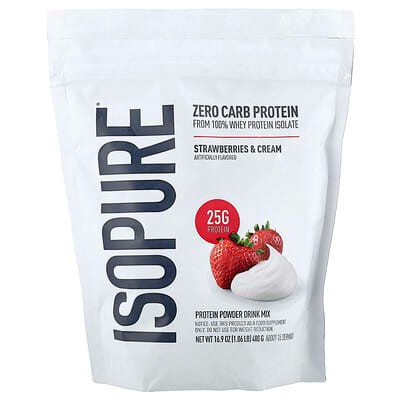
A 50 g protein serving is unusually large and comes with only 0.5 g of fat and no listed carbohydrate. That can suit people who need concentrated protein, though many users could meet their needs with a smaller serving.
Potassium is substantial at 800 mg, while sodium is also high at 490 mg. The potassium form is not identified, and the sodium load works against the product as a simple choice for someone trying to improve dietary sodium balance.
The formula lists many vitamins and minerals but gives no usable amount for most of them, which limits evaluation beyond the core nutrition panel. It is most practical for high protein needs when the user has considered the large electrolyte dose and the limited number of servings.
The very large protein amount and lean macronutrient profile fit concentrated protein use. Missing protein-source detail limits form assessment, while high potassium and moderate sodium deserve consideration for susceptible users.
The nutrition panel clearly states protein, macronutrient, sodium, and potassium amounts. The underlying protein ingredients, serving directions, and non-active ingredients are missing from the supplied details.
The supplied average rating is positive and is supported by very large review count. No detailed feedback is available to assess repeated complaints or purpose-specific experiences.
The concentrated protein amount supports formula quality. A very high qualitative serving cost and limited ingredient disclosure make value weak despite the large dose.
The high potassium amount provides a substantial contribution to sodium balance and vascular tone. Its chemical form is not disclosed, which limits confidence in absorption quality.
The formula remains primarily a high-protein food rather than a broad cardiovascular supplement. People with kidney disease or those using potassium-sparing diuretics need medical guidance because this amount can raise blood potassium further.
| Ingredient | Amount per serving |
|---|---|
Calories | 210 Calorie(s) |
Calories from Fat | 5 Calorie(s) |
Total Fat | 0.5 Gram(s) |
Cholesterol | 20 mg |
Sodium | 490 mg |
Potassium | 800 mg |
Total Carbohydrates | 0 Gram(s) |
Protein | 50 Gram(s) |
Vitamin A | 0 NP |
Vitamin C | 0 NP |
Calcium | 0 NP |
Iron | 0 NP |
Vitamin E | 0 NP |
Vitamin K | 0 NP |
Thiamine | 0 NP |
Riboflavin | 0 NP |
Niacin | 0 NP |
Vitamin B6 | 0 NP |
Folic Acid | 0 NP |
Vitamin B12 | 0 NP |
Biotin | 0 NP |
Pantothenic Acid | 0 NP |
Phosphorus | 0 NP |
Iodine | 0 NP |
Magnesium | 0 NP |
Zinc | 0 NP |
Selenium | 0 NP |
Copper | 0 NP |
Manganese | 0 NP |
Chromium | 0 NP |
Molybdenum | 0 NP |
Chloride | 0 NP |
The label does not identify the sodium source, which limits confidence in its quality. The sodium amount falls within the preferred range for athletic replenishment. Cost is high for sodium alone, but much of it reflects the product's protein content.
The 800 mg potassium amount provides high-potency support, but the chemical form is not disclosed. A premium serving cost reduces potassium-focused value despite the large dose. People with kidney disease or those using potassium-sparing diuretics need medical guidance because this amount can raise potassium further.
Published studies used for the product analysis and the top-ranked studies for each ingredient and goal.