
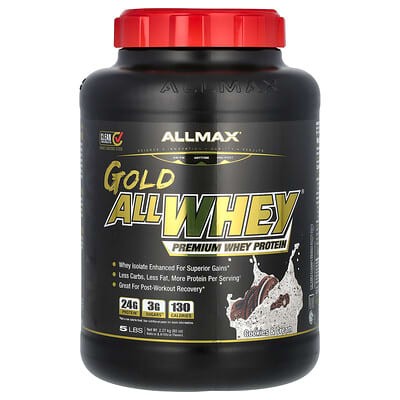
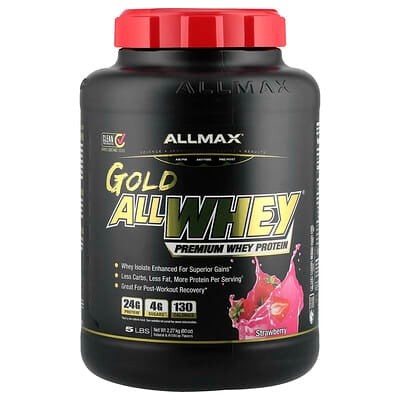
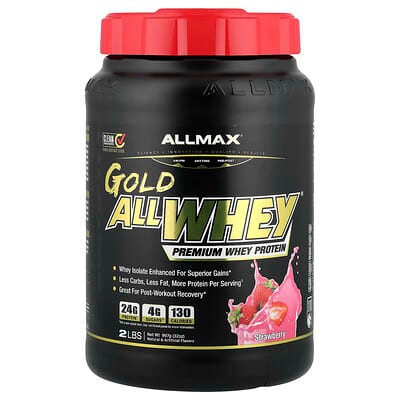
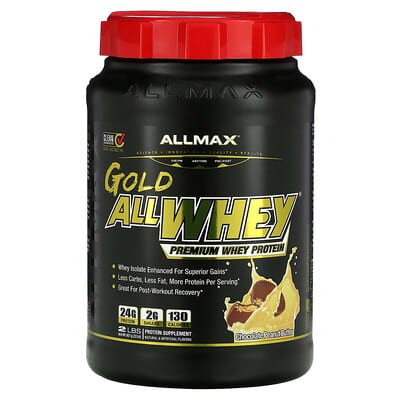
Nutrient quality
The product name identifies whey, but isolate, concentrate, processing, and amino-acid details are not supplied. The protein amount is substantial, while potassium and sodium provide modest secondary nutrition.
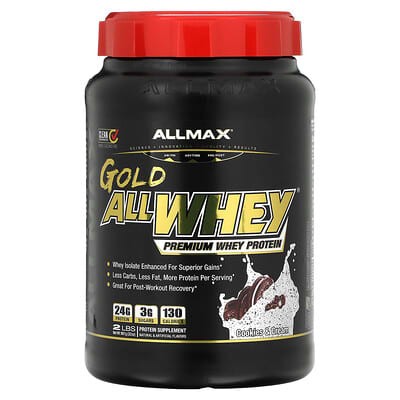
.
 iHerb iHerb | $ 55.53 |
24 g of whey protein make the powder useful for convenient daily protein and exercise recovery. The calorie and macronutrient profile is lean enough for many general nutrition plans.
150 mg sodium and 190 mg potassium are modest contributions rather than a complete hydration formula. the carbohydrate unit appears incorrect, and the supplied facts do not fully describe flavoring or inactive ingredients.
Cookies & Cream fits dairy-tolerant users who want a straightforward complete protein. The serving cost is relatively high, but it should not be purchased for heart-health or potassium support.
The product name identifies whey, but isolate, concentrate, processing, and amino-acid details are not supplied. The protein amount is substantial, while potassium and sodium provide modest secondary nutrition.
.Protein and most nutrition amounts are clear, but the carbohydrate entry uses an implausible unit. The supplied data does not include whey sources, flavoring, or other inactive ingredients.
.The aggregate satisfaction measure and review volume provide a useful first impression. Missing firsthand feedback leaves repeat complaints and real-world purpose fit uncertain.
.The moderately high serving cost is only partly justified by substantial protein. Each serving provides fair protein value but weak heart-health value.
.| Ingredient | Amount per serving |
|---|---|
Calories | 130 Calorie(s) |
Total Fat | 2 Gram(s) |
Cholesterol | 45 mg |
Total Carbohydrate | 4 mg |
Protein | 24 Gram(s) |
Calcium | 130 mg |
Iron | 0 mg |
Sodium | 150 mg |
Potassium | 190 mg |
The sodium amount is too low for targeted replacement during demanding activity. Mineral sources and buffering support are not disclosed, while the formula is built mainly around protein. Its serving cost reflects broader nutrition rather than strong electrolyte performance.
The potassium appears naturally associated with dairy ingredients, but its chemical form is unknown. The 190 mg serving offers moderate potency and the label gives only one potassium value. A near-median serving cost is relatively high for this amount of potassium.
Published studies used for the product analysis and the top-ranked studies for each ingredient and goal.