
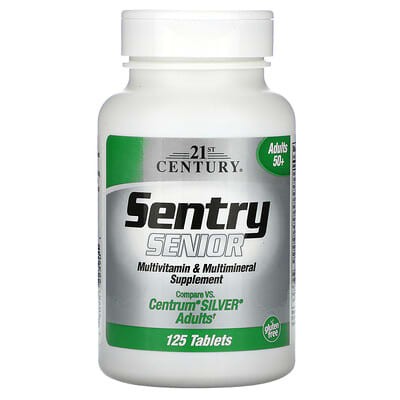
Nutrient quality
Several nutrients use basic oxide, sulfate, carbonate, or synthetic forms rather than premium alternatives. The broad formula covers daily maintenance, although several minerals are supplied at modest amounts.
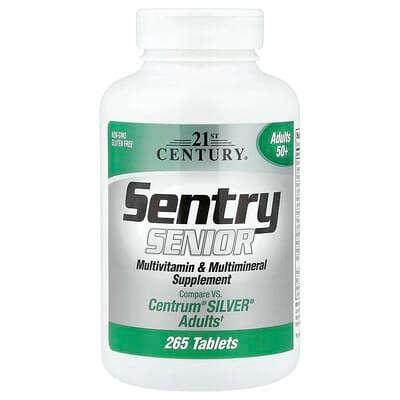
 Pure Formulas Pure Formulas | $ 14.40 | |
 iHerb iHerb | $ 15.99 | |
 Walmart Walmart | $ 18.40 | |
 Amazon Amazon | $ 15.99 |
The tablet covers the major vitamins and a wide range of minerals, including vitamin D3, iodine, zinc, manganese, chromium, copper, and molybdenum. B vitamins contribute to normal energy metabolism rather than acting as stimulants.
Several minerals use oxide, carbonate, or sulfate forms, and B12 is cyanocobalamin. Lutein, lycopene, calcium, and magnesium are present only at modest amounts, so they do not create strong eye or bone support.
A once-daily tablet and very long serving supply suit basic nutritional maintenance. Users with specific deficiencies or absorption concerns may need more targeted products with clearer form quality.
Several nutrients use basic oxide, sulfate, carbonate, or synthetic forms rather than premium alternatives. The broad formula covers daily maintenance, although several minerals are supplied at modest amounts.
Specific amounts are supplied for every listed active nutrient. Most chemical forms are identified clearly enough to compare their quality.
The aggregate rating is strong and the available feedback volume gives it useful statistical support. No specific review comments are supplied to assess recurring benefits or complaints.
Broad coverage and a long supply compensate for mostly basic ingredient forms. A few tiny carotenoid additions offer limited value, but the core formula remains useful.

Iodine and B vitamins support metabolic pathways, but the formula is a general senior multivitamin rather than a focused energy product. Core nutrients have established roles in energy metabolism, especially when correcting dietary gaps.
Iodine is meaningful, while vitamin B12 and magnesium fall well below the preferred targeted amounts. Cyanocobalamin and magnesium oxide are less favorable forms, though most amounts are individually disclosed.
| Ingredient | Amount per serving |
|---|---|
Vitamin A (Beta-Carotene, Vitamin A Acetate) | 750 mcg |
Vitamin C (Ascorbic Acid) | 60 mg |
Vitamin D3 (Cholecalciferol) | 25 mcg |
Vitamin E (DL-Alpha-Tocopheryl Acetate) | 22.5 mg |
Vitamin K (Phytonadione) | 30 mcg |
Thiamine (Thiamine Mononitrate, Vitamin B1) | 1.5 mg |
Riboflavin (Vitamin B2) | 1.7 mg |
Niacin (Niacinamide) | 20 mg |
Vitamin B6 (Pyridoxine Hydrochloride) | 3 mg |
Folate | 667 mcg DFE |
Vitamin B12 (Cyanocobalamin) | 25 mcg |
Biotin | 30 mcg |
Pantothenic Acid (D-Calcium Pantothenate) | 10 mg |
Calcium (Calcium Carbonate, Dicalcium Phosphate) | 225 mg |
Phosphorus (Dicalcium Phosphate) | 20 mg |
Iodine (Potassium Iodide) | 150 mcg |
Magnesium (Magnesium Oxide) | 50 mg |
Zinc (Zinc Oxide) | 11 mg |
Selenium (Sodium Selenate) | 19 mcg |
Copper (Copper Sulfate) | 0.5 mg |
Manganese (Manganese Sulfate) | 2.3 mg |
Chromium (Chromium Picolinate) | 50 mcg |
Molybdenum (Sodium Molybdate) | 45 mcg |
Chloride (Potassium Chloride) | 72 mg |
Potassium (Potassium Chloride) | 80 mg |
Lutein | 250 mcg |
Lycopene | 300 mcg |
potassium iodide gives reliable iodine absorption. The 150 mcg amount fits daily maintenance and stays below the upper limit. Low serving cost creates favorable value.
The carbonate and phosphate blend provides only moderate absorption potential. The serving amount supports general supplementation rather than high calcium needs on its own; no listed purity concern materially weakens the formulation. The low serving cost provides strong value.
Potassium chloride provides a soluble source with an additional useful mineral, but the amount offers only moderate electrolyte support. The hard-pressed tablet may dissolve more slowly than a liquid or drink mix. Clear source labeling and a very low serving cost make it practical for general daily use rather than intensive electrolyte replacement.
Published studies used for the product analysis and the top-ranked studies for each ingredient and goal.