
Nutrient quality
Botanical species are identified, but neither extract provides active-marker or vitamin C standardization. The acerola amount is substantial and elderberry provides a meaningful companion dose.
.
 iHerb iHerb | $ 12.79 | |
 Amazon Amazon | $ 23.90 |
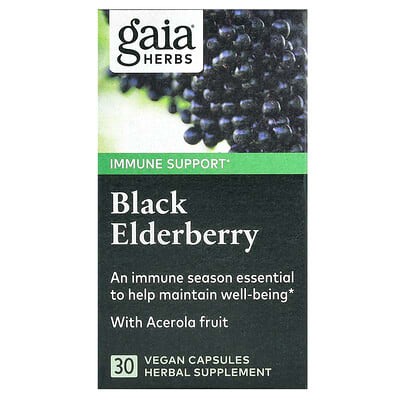
Organic black elderberry fruit extract and acerola fruit extract are both botanically identified. Acerola is the larger ingredient and reaches a substantial total amount.
No vitamin C yield or active-marker standardization is supplied for the acerola. Elderberry potency is also difficult to compare without an extract ratio or anthocyanin detail.
Two capsules per serving and a short bottle make this better for a limited routine than ongoing use. Buyers prioritizing predictable vitamin C should select an acerola product that states its yield.
Botanical species are identified, but neither extract provides active-marker or vitamin C standardization. The acerola amount is substantial and elderberry provides a meaningful companion dose.
.Active amounts are stated and no proprietary blend hides a core dose. Missing excipient details and complete use directions leave the supplied label information incomplete.
.The supplied aggregate satisfaction average provides a broad signal, while the response volume determines how stable it appears. No comment-level evidence is available to assess repeated complaints or confirm intended-use experiences.
.Quality, disclosure, or serving economics materially weaken value. The two-active formula remains focused without obvious padding.
.| Ingredient | Amount per serving |
|---|---|
organic Black Elderberry (Sambucus nigra) fruit extract | 158 mg |
Acerola (Malpighia glabra) fruit extract | 550 mg |
Acerola fruit extract is supplied in a substantial amount and its botanical identity is clearly stated. The label does not reveal a vitamin C standardization, so active vitamin C potency remains uncertain. Cost efficiency is limited when judged specifically by the amount of acerola delivered.