Acerola

botanical

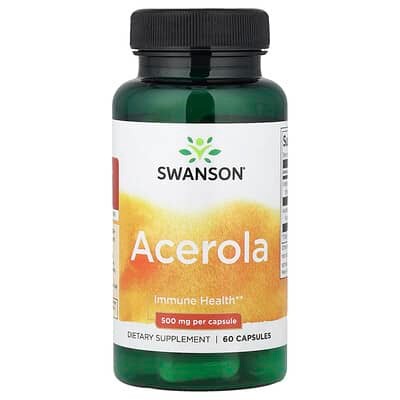
Acerola, also known as the Barbados or West Indian cherry, is a vibrant red fruit from Malpighia emarginata or Malpighia glabra shrubs, native to tropical regions of the Western Hemisphere. Indigenous populations have historically valued the fruit for its nutritional density and traditional medicinal properties. The fruit is distinguished by a concentration of vitamin C that often exceeds that of oranges and other citrus. It is also a source of vital B vitamins, including thiamin, riboflavin, niacin, B6, and folate, as well as vitamin A in the form of beta-carotene and essential minerals like magnesium, potassium, iron, calcium, and zinc. Rich in antioxidants such as anthocyanins, flavonoids, and carotenoids, the fruit helps combat oxidative stress. These compounds work together to support immune responses, assist in collagen production for skin health, and contribute to overall vitality.

Natural sources
Acerola fruit (Malpighia emarginata)Tropical regions of the Western Hemisphere

Ingredient forms

No public comparison lists found.

Timing & Intake
AnytimeWith foodTake with Food to minimize potential digestive upset and enhance absorption.
Acerola may be taken at any time, though consuming it with a meal can help improve nutrient absorption and overall tolerability.
Optimal Dosage
Minimum500 mg
Maximum1500 mg
Safety & Toxicity
3 safety notes
  • Individuals prone to kidney stones should use Acerola with caution and consult a healthcare professional.
  • People with hemochromatosis (iron overload) should consult a doctor before use, as the high Vitamin C content can increase iron absorption.
  • Pregnant or breastfeeding women should consult a healthcare provider before incorporating Acerola supplements into their regimen.

Studies

Research connections will load here.
Interactions

Positive Interactions

Vitamin C
Acerola is an exceptionally rich natural source of Vitamin C, making it a highly bioavailable form of this essential nutrient.
Iron
The high Vitamin C content in Acerola significantly enhances the absorption of non-heme iron from plant-based sources.
carotenoids
Acerola naturally contains various carotenoids, which are powerful antioxidants that work synergistically with Vitamin C.
Astaxanthin
Acerola's diverse carotenoid profile contributes to a broad antioxidant spectrum, potentially complementing Astaxanthin's effects.
Lycopene
Acerola's natural carotenoids can work in concert with Lycopene for enhanced antioxidant protection against free radical damage.
Vitamin A
Acerola contains Vitamin A precursors (beta-carotene), which synergize with other antioxidants for vision and immune health.
Folate
Acerola provides natural Folate, contributing to its overall nutritional value and metabolic support.
Thiamin
Acerola contains natural Thiamin, an important B vitamin for energy metabolism.
Riboflavin
Acerola supplies natural Riboflavin, contributing to cellular energy production and antioxidant defense.
Niacin
Acerola contains natural Niacin, which plays a role in energy metabolism and DNA repair.
Vitamin B6
Acerola provides natural Vitamin B6, essential for amino acid metabolism and neurotransmitter synthesis.
Magnesium
Acerola contains natural Magnesium, an essential mineral involved in over 300 enzymatic reactions in the body.
Potassium
Acerola is a natural source of Potassium, important for fluid balance and nerve function.
Calcium
Acerola contains natural Calcium, contributing to bone health and other physiological processes.
Zinc
Acerola provides natural Zinc, an important mineral for immune function and enzyme activity.
Flavonoid
Acerola is rich in various flavonoids, which are potent antioxidants that enhance its protective and anti-inflammatory effects.