
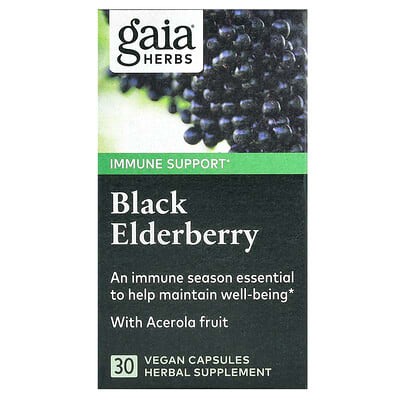
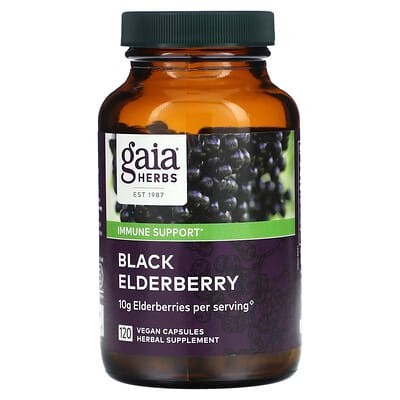
Nutrient quality
Botanical species are identified, but neither extract provides active-marker or vitamin C standardization. The acerola amount is substantial and elderberry provides a meaningful companion dose.
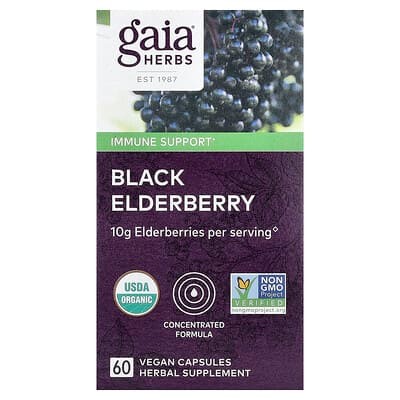
.
 iHerb iHerb | $ 29.69 | |
 Amazon Amazon | $ 29.69 | |
 Pure Formulas Pure Formulas | $ 29.69 | |
 Vitacost Vitacost | $ 29.69 |
Black elderberry fruit and acerola fruit extracts are both botanically named and individually dosed. Acerola contributes the larger amount and avoids reliance on synthetic ascorbic acid in the supplied active list.
The label data do not state vitamin C yield, extract ratio, or active markers for either botanical. Total milligrams therefore do not fully describe potency.
The package provides surprisingly few servings relative to its capsule count. A more efficient option would pair the same disclosure with a stated acerola vitamin C yield.
Botanical species are identified, but neither extract provides active-marker or vitamin C standardization. The acerola amount is substantial and elderberry provides a meaningful companion dose.
.Active amounts are stated and no proprietary blend hides a core dose. Missing excipient details and complete use directions leave the supplied label information incomplete.
.The supplied aggregate satisfaction average provides a broad signal, while the response volume determines how stable it appears. No comment-level evidence is available to assess repeated complaints or confirm intended-use experiences.
.Quality, disclosure, or serving economics materially weaken value. The two-active formula remains focused without obvious padding.
.| Ingredient | Amount per serving |
|---|---|
organic Black Elderberry (Sambucus nigra) fruit extract | 158 mg |
Acerola (Malpighia glabra) fruit extract | 550 mg |
Acerola fruit extract is provided at a substantial dose with clear botanical and plant-part identification. Its actual vitamin C yield is not standardized on the supplied label. The cost per amount of acerola is high, which weakens its value for this collection.