

Nutrient quality
A lean, substantial protein dose provides useful nutritional depth. Missing source detail and very low electrolyte amounts leave the formula narrow for the configured purpose.
 Vitacost Vitacost | $ 47.87 | |
 iHerb iHerb | $ 47.53 |
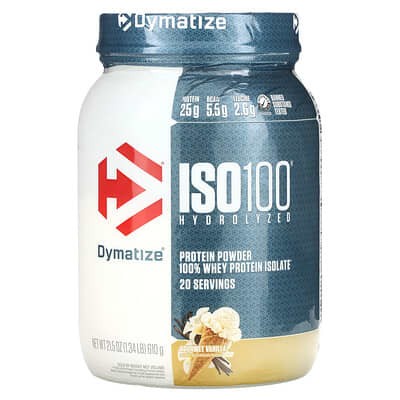
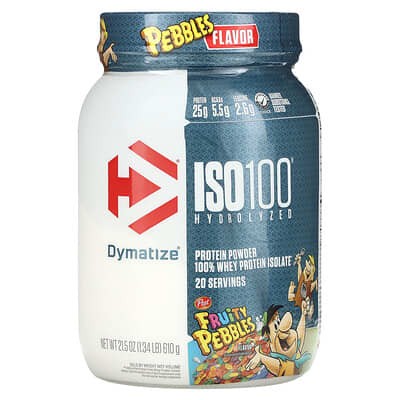
The 25 g serving of hydrolyzed whey isolate is the central strength. It offers a lean protein option with no listed fat and only a small carbohydrate amount.
Low sodium and cholesterol are useful for users comparing protein powders on those factors. Potassium is low, however, and no additional ingredient gives the product meaningful cardiovascular breadth.
The protein type is clearly identified, which helps assess its basic use. Inactive ingredients and fuller processing details are absent, so flavoring, sweeteners, and individual tolerance cannot be fully evaluated.
A lean, substantial protein dose provides useful nutritional depth. Missing source detail and very low electrolyte amounts leave the formula narrow for the configured purpose.
Protein and basic nutrition totals are clearly stated. Missing protein source, mineral forms, preparation guidance, and non-active ingredients leave important disclosure gaps.
The supplied average is strong and supported by substantial response volume. No comment-level evidence is available to assess repeated complaints or alignment with the intended use.
A substantial lean protein dose provides useful serving value. High category cost and incomplete source disclosure weaken competitiveness.
| Ingredient | Amount per serving |
|---|---|
Calories | 110 Calorie(s) |
Total Fat | 0 Gram(s) |
Cholesterol | 10 mg |
Sodium | 100 mg |
Total Carbohydrates | 1 Gram(s) |
Protein | 25 Gram(s) |
Vitamin D | 0 mcg |
Calcium | 90 mg |
Iron | 0 mg |
Potassium | 100 mg |
The 100 mg sodium serving is too low for robust replacement during intense or prolonged exercise. The sodium source is not identified, which limits confidence in mineral quality. Its serving cost is relatively high for a formula aimed mainly at broader nutrition or performance rather than hydration.
The potassium appears to come from food ingredients, but its chemical form is not identified. The 100 mg amount is low, and the label does not fully separate compound weight from elemental yield. Potassium-focused value is poor at this serving cost, so the broader protein powder must justify the purchase.
Published studies used for the product analysis and the top-ranked studies for each ingredient and goal.