

Nutrient quality
The protein amount is meaningful and the macronutrient profile remains reasonably efficient. Undisclosed protein sources and mineral forms limit quality assessment, while potassium is modest.
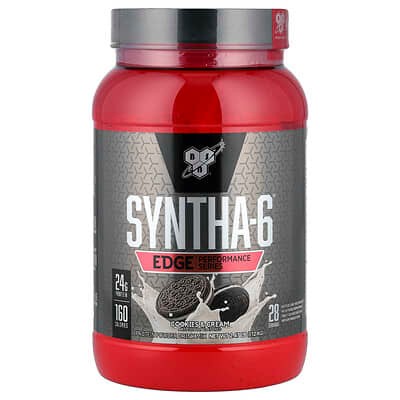
 iHerb iHerb | $ 50.95 |
A serving supplies 24 g of protein in 160 calories, which is suitable for routine protein supplementation. The 4 g of fat and 7 g of carbohydrate make it somewhat richer than a lean isolate-style powder.
Potassium is only 200 mg and sodium is 190 mg, so the mineral profile offers little improvement in sodium-to-potassium balance. Calcium is quantified at 180 mg, but the source of the protein and the chemical forms of the minerals are absent.
The formula can still be convenient for someone who mainly wants protein and prefers a dessert-style flavor. Buyers looking for strong transparency, a lean profile, or meaningful heart-specific support have clearer options elsewhere.
The protein amount is meaningful and the macronutrient profile remains reasonably efficient. Undisclosed protein sources and mineral forms limit quality assessment, while potassium is modest.
The nutrition panel clearly states protein, macronutrient, sodium, and potassium amounts. The underlying protein ingredients, serving directions, and non-active ingredients are missing from the supplied details.
The supplied average rating is very strong and is supported by small review count. No detailed feedback is available to assess repeated complaints or purpose-specific experiences.
A meaningful protein serving provides fair value. The smaller package, higher qualitative serving cost, and limited ingredient disclosure reduce competitiveness.
| Ingredient | Amount per serving |
|---|---|
Calories | 160 Calorie(s) |
Total Fat | 4 Gram(s) |
Cholesterol | 50 mg |
Sodium | 190 mg |
Total Carbohydrates | 7 Gram(s) |
Protein | 24 Gram(s) |
Calcium | 180 mg |
Potassium | 200 mg |
The sodium amount is close to the collection midpoint but remains below the athletic replenishment threshold. Potassium is quantified, yet its form and the sodium source are not disclosed. A moderate carbohydrate load and protein-focused price make the powder less suitable than a dedicated electrolyte product.
The 200 mg potassium amount offers moderate support, but the chemical source is not identified. Its nutrition-panel context likely indicates elemental potassium without providing compound details. A high serving cost makes the protein powder inefficient as a potassium supplement.