

Nutrient quality
The protein amount is meaningful and the macronutrient profile remains reasonably efficient. Undisclosed protein sources and mineral forms limit quality assessment, while potassium is modest.
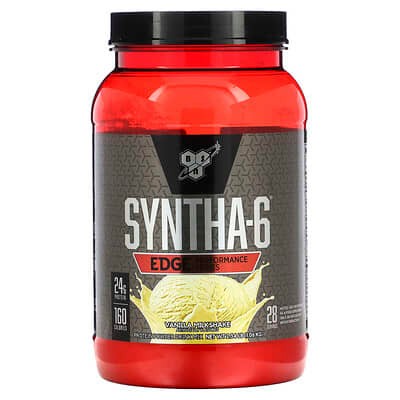
 iHerb iHerb | $ 50.95 |
The powder provides 24 g of protein in 150 calories, with 6 g of carbohydrate and 3.5 g of fat. That is a workable everyday shake profile, although it is not especially lean.
Potassium is listed at 190 mg and sodium at 170 mg, leaving little mineral advantage for heart-focused use. The label includes 170 mg of calcium, but does not identify the protein blend or the forms of its electrolytes.
Most of the practical value comes from the protein rather than from cardiovascular support. It suits users seeking a flavored shake who do not need exhaustive ingredient disclosure or a high-potassium formula.
The protein amount is meaningful and the macronutrient profile remains reasonably efficient. Undisclosed protein sources and mineral forms limit quality assessment, while potassium is modest.
The nutrition panel clearly states protein, macronutrient, sodium, and potassium amounts. The underlying protein ingredients, serving directions, and non-active ingredients are missing from the supplied details.
The supplied average rating is very strong and is supported by small review count. No detailed feedback is available to assess repeated complaints or purpose-specific experiences.
A meaningful protein serving provides fair value. The smaller package, higher qualitative serving cost, and limited ingredient disclosure reduce competitiveness.
| Ingredient | Amount per serving |
|---|---|
Calories | 150 Calorie(s) |
Total Fat | 3.5 Gram(s) |
Cholesterol | 50 mg |
Sodium | 170 mg |
Total Carbohydrates | 6 Gram(s) |
Protein | 24 Gram(s) |
Calcium | 170 mg |
Potassium | 190 mg |
The sodium amount is clearly labeled but too low for most athletic replenishment needs. Potassium adds electrolyte breadth, although its form and the sodium source are unspecified. Moderate carbohydrate content and a protein-focused cost reduce its appeal as a dedicated hydration option.
The 190 mg potassium amount offers moderate support, but the chemical source is not identified. Its nutrition-panel context likely indicates elemental potassium without providing compound details. A high serving cost makes the protein powder inefficient as a potassium supplement.
Published studies used for the product analysis and the top-ranked studies for each ingredient and goal.