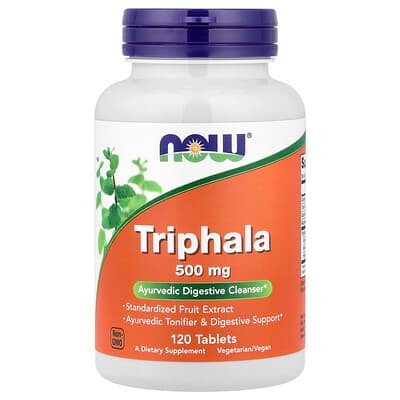
Triphala is the main distinguishing ingredient and is aimed at digestive regularity. Magnesium oxide adds an osmotic bowel effect, while the stated magnesium amount is moderate.
The formula is more coherent for occasional stool support than for energy, heart, bone, or stress goals. Oxide is absorbed poorly, and the individual fruits within the triphala extract are not quantified.
Low serving cost improves accessibility, but the product does not provide broad digestive coverage such as fiber, enzymes, or probiotics. Calcium carbonate adds little to the central rationale.
thumb_upPros
Combines two ingredients relevant to bowel regularity
Moderate magnesium amount is disclosed
Low serving cost
thumb_downCons
Magnesium oxide has poor absorption
Individual triphala components are not quantified
Does not provide fiber, enzymes, or probiotic support
warningWarnings
Triphala and magnesium oxide may combine to cause diarrhea or cramping
Frequent laxative effects can contribute to fluid or electrolyte loss
Impaired kidney function increases the risk from magnesium accumulation
scienceNutrient quality
57
Moderate impact
Magnesium oxide with triphala and calcium provides the main quality signal, while a moderate magnesium amount and a substantial triphala amount shapes likely usefulness. Absorption, tolerability, and the formula's focus determine the main trade-off.
scienceIngredient transparency
85
Highest impact
Active amounts are clearly disclosed, and no proprietary blend hides the total formula. Specific ingredient names make the core actives reasonably easy to assess.
thumb_upCustomer satisfaction
89
Highest impact
The high average rating is supported by substantial review volume. No specific review comments are supplied, so repeated complaints and purpose alignment cannot be confirmed directly.
workspace_premiumValue for money
76
High impact
Value is reasonable for the form quality and disclosed amount. The focused formula includes additions with limited value, while category competitiveness depends on absorption quality.
B
Goal FitB
Strength of SupportC+
CoverageA-
Formula Quality
Magnesium · 200 mg
Triphala and magnesium oxide directly support stool regularity through botanical and osmotic mechanisms. The formula is focused on bowel function rather than broad mucosal, enzymatic, or microbiome support.
A gram of tannin-standardized triphala provides a meaningful serving, while magnesium can add a stool-softening effect. Combining both may increase loose stools or cramping in sensitive users.
scienceStudy evidence
SupportiveMixedNo effectAdverse
Magnesium Supportive star star star_border star_border star_border 50 studies
C
Goal FitD+
Strength of SupportD
CoverageC
Formula Quality
Magnesium · 200 mg
Magnesium offers some foundational support, while triphala is more specifically aimed at digestive regularity. The formula therefore has a narrower general-health role than a broad nutrient product.
The magnesium amount is useful, but the oxide form has relatively poor systemic absorption. Triphala is disclosed by blend weight without amounts for its individual fruits.
scienceStudy evidence
SupportiveMixedNo effectAdverse
Magnesium Supportive star star star_border star_border star_border 114 studies
D+
Goal FitD+
Strength of SupportD+
CoverageC+
Formula Quality
Magnesium · 200 mg
A meaningful magnesium amount gives the formula some relevance to vascular tone and normal heart rhythm. Triphala is mainly digestive and antioxidant support rather than a well-established cardiovascular active.
Magnesium oxide has poor systemic absorption, limiting the contribution of the otherwise useful amount. The focused label avoids excessive ingredients but does not address lipids, cellular energy, or nitric oxide.
scienceStudy evidence
SupportiveMixedNo effectAdverse
Magnesium Supportive star star_border star_border star_border star_border 158 studies
F
Active Ingredient Quality & BioavailabilityA-
Dose, Safety & Label TransparencyC
Value
Magnesium oxide has low systemic absorption and may be more likely to cause loose stools than better-absorbed forms. 200 mg of elemental magnesium is clearly disclosed and falls in the standard supplemental range; no vitamin B6, boron, or vitamin D cofactor is supplied to strengthen the magnesium rationale. The very low serving cost partly offsets the poorly absorbed form.
<p>Magnesium lysinate and malate provide favorable forms at a useful 250 mg amount, with 95 mg potassium citrate for broader mineral support. Compared with the original 200 mg amount from Magnesium Oxide, the form disclosure is clearer and the dose is less aggressive for many users.</p>
<p>The pure powder provides 250 mg magnesium bisglycinate in a well-absorbed, adjustable form. Compared with the original 200 mg amount from Magnesium Oxide, the single named form is easier to assess and may be gentler on digestion.</p>
<p>The clean powder uses TRAACS magnesium bisglycinate at a practical 200 mg elemental amount. Compared with the original 200 mg amount from Magnesium Oxide, it prioritizes absorption quality and moderate dosing, although it may provide less total magnesium.</p>
<p>The lower-cost powder provides 210 mg magnesium citrate in an adjustable serving. Compared with the original 200 mg amount from Magnesium Oxide, citrate is clearly identified and generally useful for routine repletion, though it may loosen stools.</p>
<p>The lower-cost blend supplies 500 mg magnesium across citrate, succinate, glycinate, and oxide sources. It offers a substantial amount for the cost, but oxide lowers average absorption quality and the high serving may cause diarrhea or cramping compared with the original 200 mg amount from Magnesium Oxide.</p>
<p>The lower-cost two-mineral formula supplies 210 mg magnesium citrate with 99 mg potassium citrate. It offers clear mineral forms and practical value, although its magnesium amount may be lower than the original 200 mg amount from Magnesium Oxide.</p>
<p>The focused powder combines 200 mg magnesium bisglycinate with a moderate serving cost and a nonaggressive dose. Compared with the original 200 mg amount from Magnesium Oxide, the clearly named form improves quality-to-cost balance while reducing the chance of dose-related digestive discomfort.</p>
<p>The formula pairs 250 mg chelated magnesium with 500 mg chelated calcium in an economical serving. It adds useful bone-mineral breadth and clear forms compared with the original 200 mg amount from Magnesium Oxide, though calcium may be unnecessary for users seeking magnesium alone.</p>
<p>The broad blend supplies 400 mg magnesium from citrate, glycinate, malate, succinate, and taurinate forms at a favorable serving cost. Form diversity improves practical value compared with the original 200 mg amount from Magnesium Oxide, while the high amount and 30 mg vitamin B6 may reduce suitability for long-term routine use.</p>
flagReport alternatives
schoolSources
Published studies used for the product analysis and the top-ranked studies for each ingredient and goal.
Andersen J; Christensen H; Pachler JH; Hallin M; Thaysen HV; Kehlet H · Colorectal disease : the official journal of the Association of Coloproctology of Great Britain and Ireland · 2012
Randomized trial49 participantsflagDigestive Health forscienceMagnesium
Li L; Streja E; Rhee CM; Mehrotra R; Soohoo M; Brunelli SM; Kovesdy CP; Kalantar-Zadeh K · American journal of kidney diseases : the official journal of the National Kidney Foundation · 2016
Cohort study9,359 participantsflagGeneral Health forscienceMagnesium