

Nutrient quality
Zinc has a useful maintenance amount, but its generic chelate gives limited absorption assurance. DHEA is an aggressive hormone-active addition, while rhodiola is too lightly dosed to add much practical value.
 Vitacost Vitacost | $ 40.25 | |
 iHerb iHerb | $ 37.33 | |
 Pure Formulas Pure Formulas | $ 33.38 | |
| Vitacost | $ 40.25 |
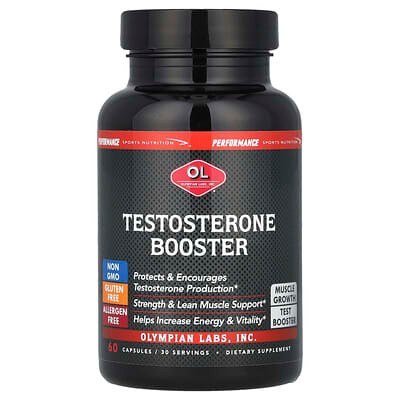
The capsules provide 15 mg zinc, 75 mg DIM, 50 mg DHEA, 20 mg rhodiola, and 2 mg vitamin B6. Zinc and DIM are relevant to hormone-related pathways, but DHEA is an active hormone precursor with effects that extend well beyond basic nutrient support.
The rhodiola amount is modest, and the zinc chelate does not name its ligand, so those parts of the formula are less compelling. The blend also lacks direct strength, endurance, or recovery ingredients despite its fitness positioning.
DHEA can alter androgen and estrogen exposure and may affect skin, hair, mood, and medication response. The formula is not appropriate for casual self-directed use, especially for people with hormone-sensitive conditions or competitive-sport restrictions.
Zinc has a useful maintenance amount, but its generic chelate gives limited absorption assurance. DHEA is an aggressive hormone-active addition, while rhodiola is too lightly dosed to add much practical value.
All listed active amounts are stated without a proprietary blend. The generic zinc chelate, unstandardized rhodiola, missing directions, and absent capsule excipients limit detail.
The supplied aggregate result is solid and supported by a modest feedback base. No comment-level evidence is available, so recurring problems and purpose-specific experiences remain unknown.
The useful zinc amount and hormone-focused ingredients provide some substance. A high serving cost, a token rhodiola amount, and DHEA safety trade-offs make the formula weak value.

Zinc, DHEA, DIM, and rhodiola address several hormone-related mechanisms, giving the formula broad goal alignment. Zinc is adequately dosed, while the small rhodiola amount is unlikely to provide strong stress support.
DHEA is an active hormone precursor rather than a simple nutrient and can alter androgen and estrogen levels. People with hormone-sensitive conditions or using hormone-related medicines should use the 50 mg DHEA only with clinician oversight.

Zinc, DHEA, DIM, and Rhodiola target hormone and stress pathways related to training adaptation. The formula lacks a direct strength, endurance, or recovery agent with robust sports evidence.
The Rhodiola amount is too small for a meaningful adaptogen effect, while DHEA is a hormone with significant safety and eligibility concerns. DHEA can alter androgen and estrogen exposure, making the formula unsuitable for people with hormone-sensitive conditions without medical oversight.

Zinc supplies a direct immune-relevant nutrient at a meaningful maintenance amount. Vitamin B6 adds modest support, while rhodiola is too small to provide dependable immune depth.
DHEA and DIM make the formula primarily hormone-focused rather than immune-focused. DHEA can alter androgen and estrogen activity, creating endocrine and medication-interaction concerns unrelated to routine immune support.
| Ingredient | Amount per serving |
|---|---|
Vitamin B6 (Pyridoxine Hydrochloride) | 2 mg |
Zinc (Zinc Chelate) | 15 mg |
DIM | 75 mg |
Dehydroepiandrosterone | 50 mg |
Rhodiola rosea | 20 mg |
The generic chelate leaves absorption quality uncertain, although standard capsules provide a workable delivery method. The 15 mg dose supports maintenance with a low copper-imbalance risk. Serving cost is high for the delivered dose.
Published studies used for the product analysis and the top-ranked studies for each ingredient and goal.