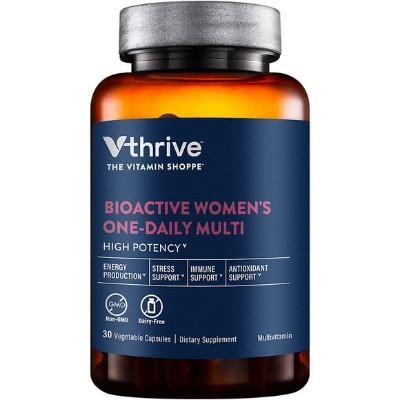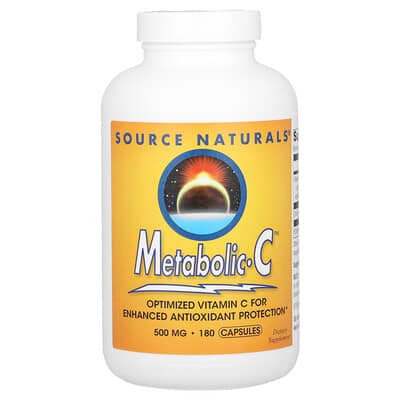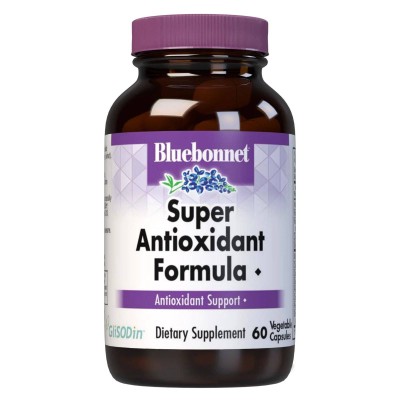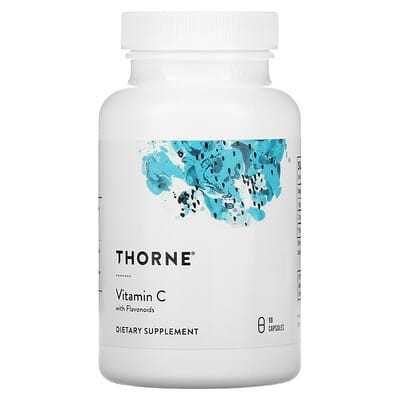
Flavonoid

non-nutrient_non-botanical

Flavonoids are a vast family of plant pigments and phytonutrients characterized by a polyphenolic chemical structure. These compounds are ubiquitous in the plant kingdom, where they provide vibrant colors to fruits and vegetables and help protect plants from environmental stressors. Their presence in the human diet is valued for a wide range of potential health-promoting properties. With over 8,000 distinct compounds identified, flavonoids are categorized into several subgroups, including anthocyanins, flavones, flavonols, flavanones, isoflavones, and flavanols. Each subgroup possesses a unique structure and is found in specific sources; for example, anthocyanins give berries their red and purple hues, while flavanols are abundant in green tea and cocoa. In the human body, these compounds primarily act as potent antioxidants that help neutralize free radicals and reduce cellular damage caused by oxidative stress. They also exhibit anti-inflammatory, antiviral, and anticarcinogenic activities. Research suggests their involvement in supporting cardiovascular health, cognitive function, and healthy immune responses, making them a significant subject of nutritional interest.

Natural sources
Berries (e.g., blueberries, strawberries, raspberries, European Elder, Acerola)Citrus fruitsApplesGrapesOnionsKaleParsleySoybeansTea (especially Green Tea)CocoaRed wineTurmericGinkgo Biloba

No public comparison lists found.

Optimal Dosage
Minimum50 mg
Maximum200 mg
Safety & Toxicity
Toxicity Threshold2000 mg
Toxicity EffectHeadache, digestive issues
3 safety notes
  • Pregnant or nursing individuals should consult a healthcare professional before taking flavonoid supplements.
  • Individuals with pre-existing medical conditions or those taking medications should consult a healthcare provider, as high doses of certain flavonoids might interact with drug metabolism.
  • While generally safe, extremely high doses of isolated flavonoids from supplements may theoretically interfere with the absorption of certain nutrients.
Goals
Digestive Health
Impact
High effect
Typical dose:250–1000 mg
Flavonoids, such as quercetin, can reduce the release of histamine and other inflammatory mediators from mast cells in the gut, calming reactivity. They also reinforce tight junctions and reduce oxidative stress, contributing to a healthier gut barrier.

Study evidence

9 studies

Some specific flavonoid preparations can relieve digestive symptoms, but flavonoids are a broad family with different effects. Evidence from gut-microbe changes and dietary associations does not establish that flavonoid supplements generally improve digestion or prevent digestive disease.

View goal

Vision Support
Impact
Moderate effect
Typical dose:80–320 mg
'Flavonoid' is a very broad category. While specific members like anthocyanins show promise for improving microcirculation and reducing eye fatigue, the evidence is not as robust or foundational as the AREDS2 ingredients.

Study evidence

5 studies

Flavonoids show promise for supporting vision in certain eye conditions, with some clinical reviews reporting better visual outcomes. However, effects differ between flavonoid types, and associations involving flavonoid-rich diets do not prove that a general flavonoid supplement prevents eye disease.

View goal

Studies

Research connections will load here.
Interactions

Positive Interactions

Vitamin C
Vitamin C can help regenerate oxidized flavonoids, enhancing their antioxidant capacity and overall effectiveness.
Vitamin E
Working together, flavonoids and Vitamin E provide a comprehensive antioxidant defense, protecting cell membranes from oxidative damage.
Selenium
Selenium, as a component of antioxidant enzymes, can work synergistically with flavonoids to bolster the body's defense against oxidative stress.
Zinc
Zinc supports the function of several antioxidant enzymes, creating a synergistic effect with flavonoids in combating oxidative stress.
Coenzyme Q-10
Flavonoids can enhance the antioxidant network alongside Coenzyme Q-10, supporting cellular energy production and overall antioxidant protection.
Astaxanthin
As powerful antioxidants, Astaxanthin and flavonoids can offer synergistic protection against free radicals and inflammation.
Lycopene
Lycopene, another potent antioxidant, can complement the protective effects of flavonoids, particularly in cell protection against oxidative damage.
carotenoids
Flavonoids and carotenoids (like Lycopene and Astaxanthin) collectively contribute to a broader spectrum of antioxidant and immune support.
Curcumin
Curcumin, known for its potent anti-inflammatory and antioxidant properties, works synergistically with flavonoids to enhance these beneficial effects.
Resveratrol
Resveratrol, another polyphenol, shares similar antioxidant and anti-inflammatory benefits with flavonoids, leading to enhanced protective effects when combined.
Green Tea
Green Tea contains catechins, a type of flavonoid, and combining it with other flavonoids can enhance the overall antioxidant and health-promoting effects.
Gluthathione
Flavonoids can support the body's natural Glutathione production and activity, enhancing the master antioxidant system for better detoxification and oxidative stress reduction.
Glutathione
Flavonoids can support the body's natural Glutathione production and activity, enhancing the master antioxidant system for better detoxification and oxidative stress reduction.
Sources

Up to five highest-ranked published examples per goal. Study counts and charts include all published studies for the connection.

  1. Efficacy and Safety of Aurantii Fructus Immaturus Flavonoid Tablets in Patients with Functional Dyspepsia: A Multicenter, Randomized, Double-Blind, Placebo-Controlled Phase III Clinical Trial.
    Yang XN; Xiang J; Gong M; Yu B; Zhou ZH; Li HZ; Ge Y; Xie JR · Chinese journal of integrative medicine · 2026
    Randomized trial398 participantsDigestive Health
  2. Gut enterotype- and body mass index (BMI)-dependent effects of anthocyanin supplementation on gut microbiota composition in individuals at risk for cognitive decline: a randomized placebo-controlled trial.
    Seyoum Y; de Lucia C; Khalifa K; Bergland AK; Aarsland D; van der Giezen M · Gut microbes · 2025
    Randomized trial99 participantsDigestive Health
  3. Modulation of Microbiota-Derived Bile Acids Linked to Symptom Amelioration in Crohn's Disease: Insights From a Randomized Clinical Trial With Xanthohumol Supplementation.
    Jamieson PE; Gu I; Reichart NJ; Maier CS; Ho E; Sharpton TJ; Metz TO; Bradley R; Stevens JF · Molecular nutrition & food research · 2026
    Randomized trial19 participantsDigestive Health
  4. The role of the gut microbiome in the association between habitual anthocyanin intake and visceral abdominal fat in population-level analysis.
    Jennings A; Koch M; Jensen MK; Bang C; Kassubek J; Müller HP; Nöthlings U; Franke A; Lieb W; Cassidy A · The American journal of clinical nutrition · 2020
    Cross-sectional study618 participantsDigestive Health
  5. The gut microbiome mediates the association between a flavonoid-rich diet and MASLD in a population-level analysis.
    Bell W; Jennings A; Bondonno NP; Franke A; Bang C; Both M; Kassubek J; Müller HP; Borggrefe J; Lieb W; Kühn T; Cassidy A · European journal of nutrition · 2025
    Cross-sectional study531 participantsDigestive Health
  6. Dietary flavonoids and the prevalence and 15-y incidence of age-related macular degeneration.
    Gopinath B; Liew G; Kifley A; Flood VM; Joachim N; Lewis JR; Hodgson JM; Mitchell P · The American journal of clinical nutrition · 2019
    Cohort study2,856 participantsVision Support
  7. The effect of flavonoids on visual function in patients with glaucoma or ocular hypertension: a systematic review and meta-analysis.
    Patel S; Mathan JJ; Vaghefi E; Braakhuis AJ · Graefe's archive for clinical and experimental ophthalmology = Albrecht von Graefes Archiv fur klinische und experimentelle Ophthalmologie · 2016
    Meta-analysisVision Support
  8. Dietary flavonoids are associated with longitudinal treatment outcomes in neovascular age-related macular degeneration.
    Detaram HD; Liew G; Lewis JR; Bondonno NP; Bondonno CP; Van Vu K; Burlutsky G; Hodgson JM; Mitchell P; Gopinath B · European journal of nutrition · 2021
    Cohort study547 participantsVision Support
  9. Dietary Flavonoid Intake and Chronic Sensory Conditions: A Scoping Review.
    Tang D; Tran Y; Shekhawat GS; Gopinath B · Antioxidants (Basel, Switzerland) · 2025
    Scoping review10 studies pooledVision Support
  10. Effects of Flavonoid Supplementation on Common Eye Disorders: A Systematic Review and Meta-Analysis of Clinical Trials
    Sergio Davinelli, Sawan Ali, Giovanni Scapagnini, Ciro Costagliola · Frontiers in Nutrition · 2021
    Meta-analysis724 participants11 studies pooledVision Support