
Linoleic Acid
fatty acidLinoleic acid is a primary fatty acid in the omega-6 family. It supports skin barrier function, helps maintain cell membrane integrity, and contributes to healthy immune and inflammatory responses. This fatty acid acts as a precursor to gamma-linolenic acid (GLA), which the body uses to create compounds that regulate various biological processes. Maintaining a balanced intake of linoleic acid alongside omega-3 fatty acids is considered important for optimal health.
Natural sources
Vegetable oils (e.g., safflower, sunflower, corn, soybean)NutsSeeds
No public comparison lists found.
Timing & Intake
AnytimeWith foodTake with Fats
Taking linoleic acid with food may support its absorption and help reduce the likelihood of digestive discomfort.
Optimal Dosage
Minimum1000 mg
Maximum3000 mg
Safety & Toxicity
2 safety notes
- Individuals with specific health conditions should consult a healthcare professional before significantly altering their intake of fatty acids.
- Maintaining a healthy balance between omega-6 and omega-3 fatty acids is crucial.
Studies
Research connections will load here.
Interactions
Positive Interactions
Omega-3
A balanced intake of Linoleic Acid (Omega-6) with Omega-3 fatty acids (like EPA and DHA) is essential for maintaining a healthy inflammatory response and overall metabolic balance.
DHA
Balancing Linoleic Acid (Omega-6) intake with DHA (an Omega-3 fatty acid) supports cognitive function, cardiovascular health, and reduces potential pro-inflammatory effects of an imbalanced Omega-6 to Omega-3 ratio.
EPA (Eicosapentaenoic Acid)
Combining Linoleic Acid (Omega-6) with EPA (an Omega-3 fatty acid) is important for maintaining a healthy inflammatory balance and supporting cardiovascular health. They work together to modulate various physiological processes.
Fish Oil
Fish Oil, a source of Omega-3s like EPA and DHA, can help balance the intake of Linoleic Acid (Omega-6) to support a healthy inflammatory response and cardiovascular health.
Vitamin E, an antioxidant, can help protect polyunsaturated fatty acids like Linoleic Acid from oxidation, thereby preserving their beneficial properties.
Recommended products
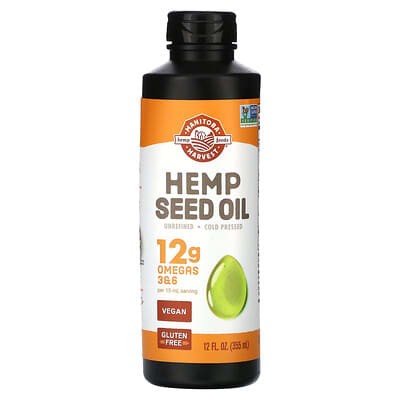
Hemp Oil
Manitoba Harvest
Linoleic Acid: 8000 mg
A potent, transparent hemp-oil fatty-acid profile with useful GLA and very high linoleic acid. Processing and oxidation-protection details are missing.
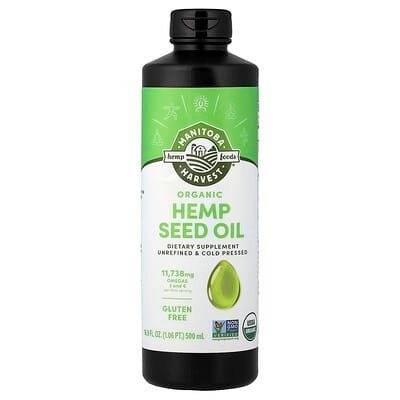
Organic Hemp Oil
Manitoba Harvest
Linoleic Acid: 8000 mg
An organic hemp oil with a strong, fully disclosed fatty-acid profile. Missing processing and stability details keep it from being fully transparent.
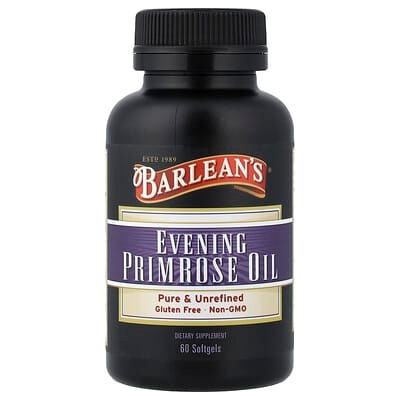
Evening Primrose Oil
Barlean's
Linoleic Acid: 1846 mg
A transparent evening primrose oil with useful GLA and high linoleic acid. Limited processing and stability details weaken quality confidence.
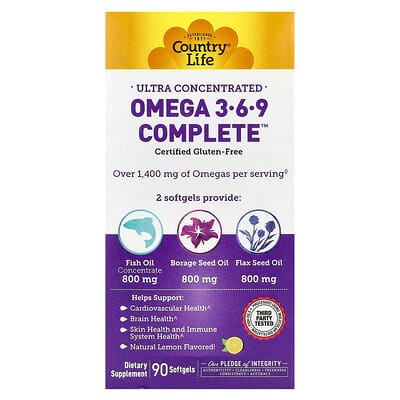
Omega 3-6-9 Complete Natural Lemon Flavored!
Country Life
Linoleic Acid: 270 mg
Broad, transparent fatty-acid dosing and vitamin E protection are useful, but the marine dose is modest and processing details are incomplete.
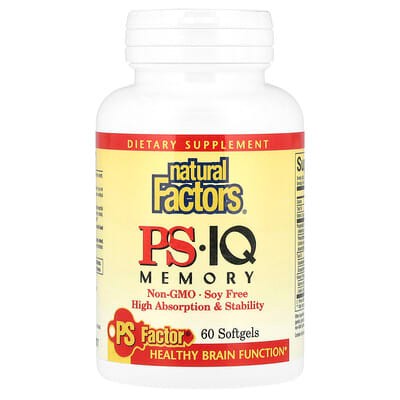
PS-IQ Memory
Natural Factors PS Factor
Linoleic Acid: 194 mg
A broad memory-lipid blend with modest phosphatidylserine and DHA. Low active concentration and incomplete component disclosure limit its value.
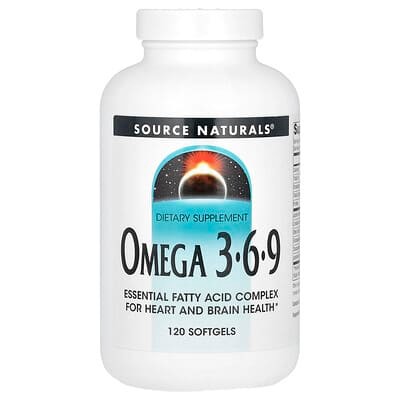
Omega 3-6-9
Source Naturals
Linoleic Acid: 498 mg
A well-disclosed broad fatty-acid profile with antioxidant protection is useful, but unknown sources and processing details limit quality confidence.
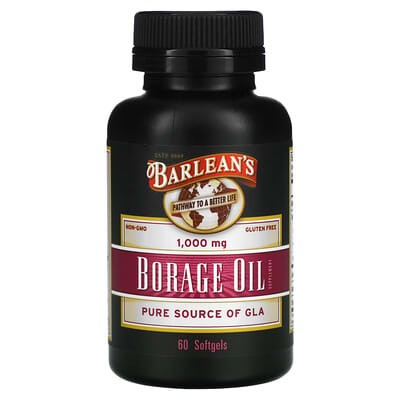
Borage Oil
Barlean's
Linoleic Acid: 360 mg
A focused borage-oil softgel with useful GLA and clear fatty-acid amounts. Processing and oxidation-stability details are sparse.
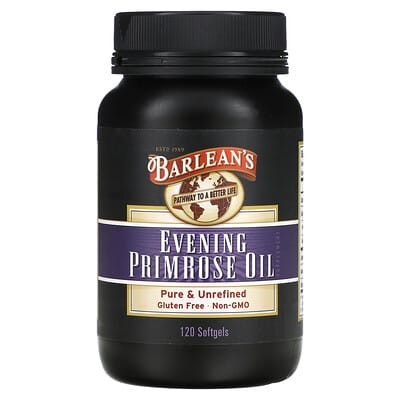
Evening Primrose Oil
Barlean's
Linoleic Acid: 1846 mg
A well-quantified evening primrose oil with broad fatty-acid coverage. Moderate GLA concentration and limited quality details are the main trade-offs.