DHA
fatty acidDocosahexaenoic acid (DHA) is a long-chain polyunsaturated omega-3 fatty acid that acts as a structural component of cell membranes. It is found in high concentrations in the brain, retina, and testes. This nutrient is important for the development and ongoing function of the brain and eyes across all life stages. DHA has anti-inflammatory properties that can help reduce chronic inflammation, a factor in many health conditions. It also contributes to cardiovascular function by supporting healthy blood pressure and triglyceride levels, while aiding endothelial health. This fatty acid is primarily obtained from fatty fish or supplements like fish and algal oils. While the body can synthesize some DHA from alpha-linolenic acid (ALA), this process is often inefficient, making direct intake through diet or supplementation helpful for maintaining optimal levels.
No public comparison lists found.
4 safety notes
- Individuals with bleeding disorders or those on anticoagulant medications should consult a healthcare professional before use due to potential increased bleeding risk.
- People with known fish or shellfish allergies should be cautious when considering fish oil-derived DHA supplements.
- Pregnant or nursing women, or individuals with pre-existing health conditions, should consult a healthcare provider before starting DHA supplementation.
- High doses may temporarily elevate LDL ('bad') cholesterol in some individuals.
Studies
Positive Interactions
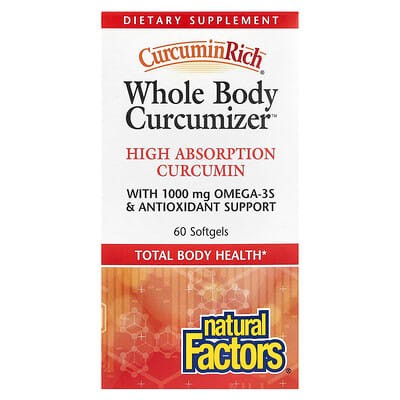
Whole Body Curcumizer
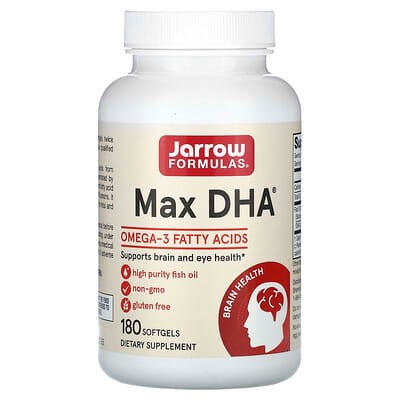
Max DHA
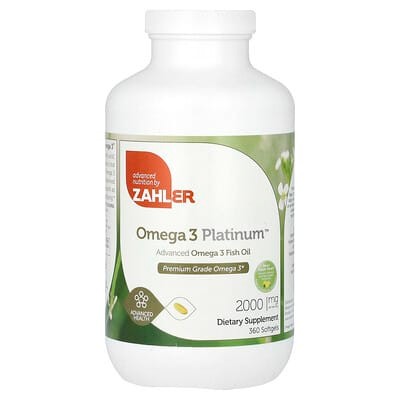
Omega 3 Platinum
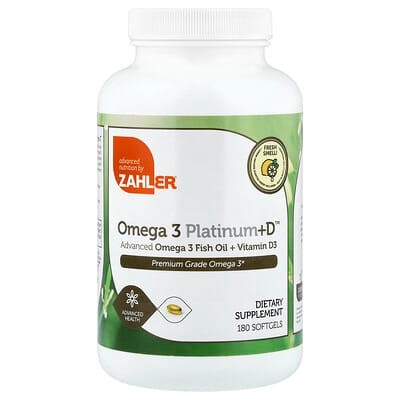
Omega 3 Platinum+D
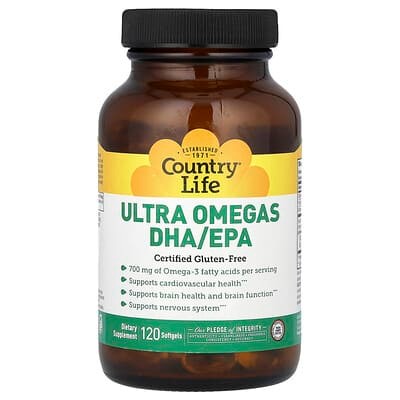
Ultra Omegas DHA/EPA
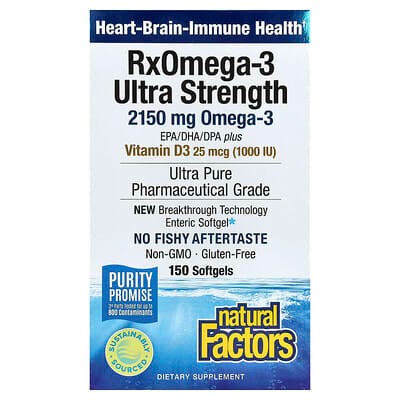
Ultra Strength One-per-Day RxOmega-3 with Vitamin D3 25 mcg (1000IU)
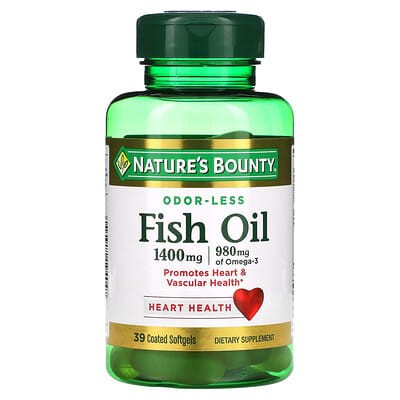
Fish Oil 1400 mg
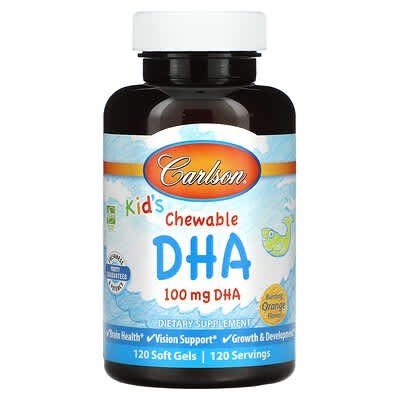
Kid's Chewable DHA 100 mg Bursting Orange Flavor!
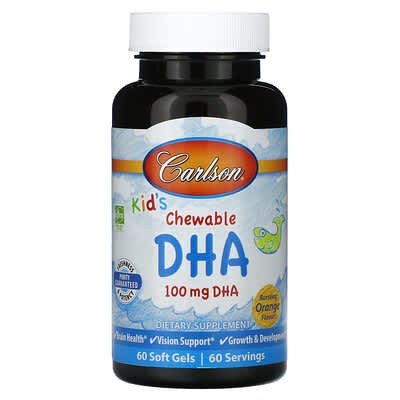
Kid's Chewable DHA 100 mg Bursting Orange Flavor!
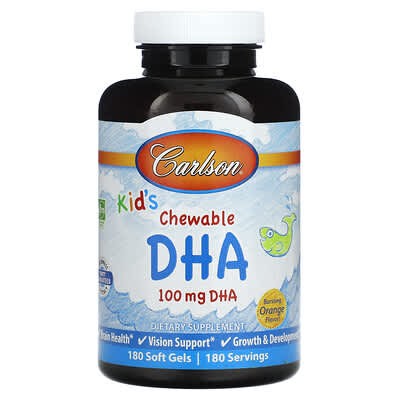
Kid's Chewable DHA 100 mg Bursting Orange Flavor!
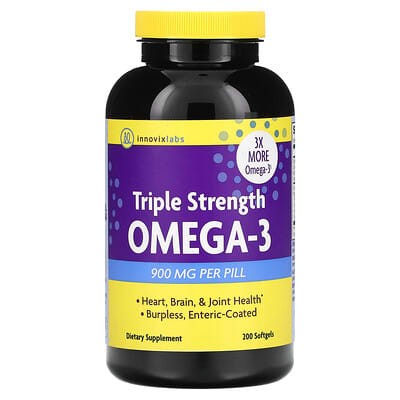
Triple Strength Omega-3
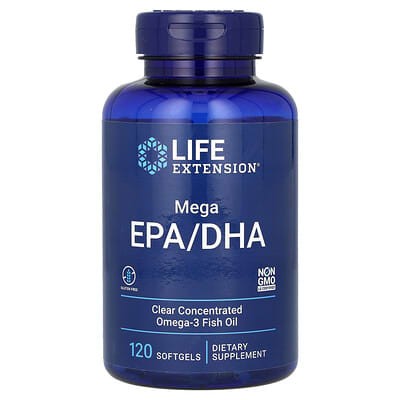
Mega EPA/DHA
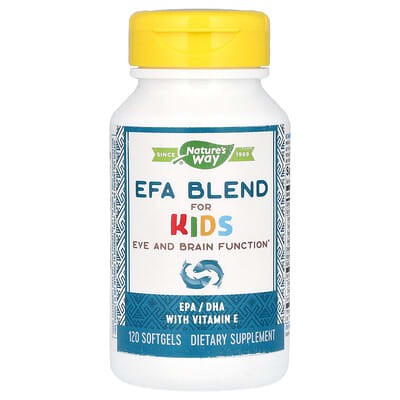
EFA Blend for Kids
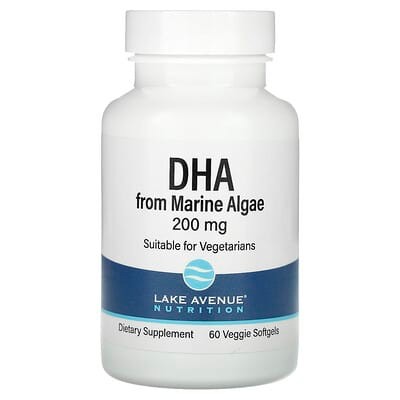
DHA from Marine Algae 200 mg
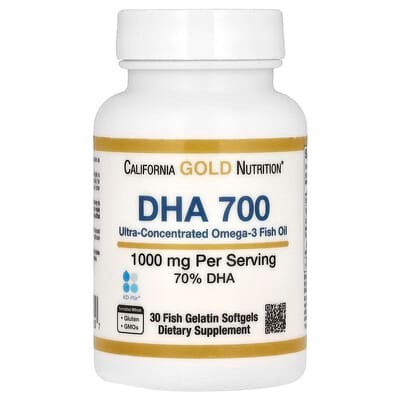
DHA 700 Pharmaceutical Grade Fish Oil 1000 mg
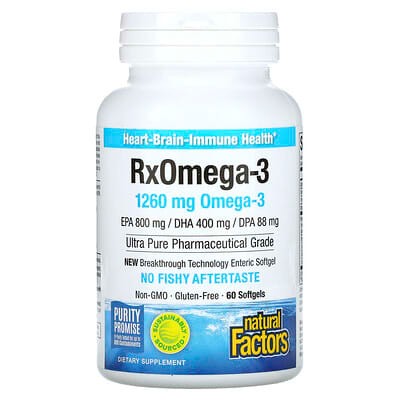
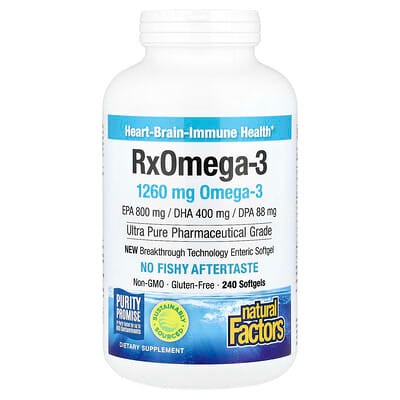
RxOmega-3
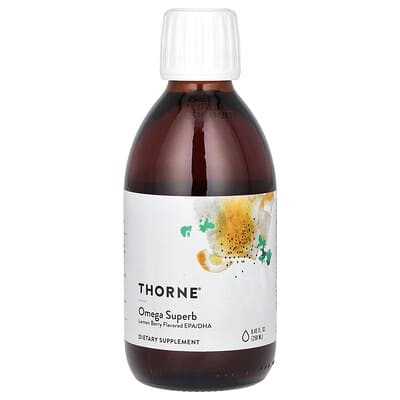
Omega Superb Lemon Berry Flavored
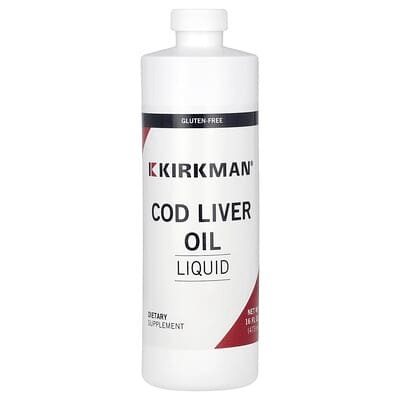
Cod Liver Oil Liquid
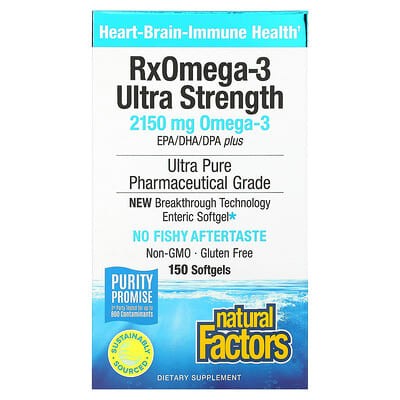
Ultra Strength One-per-Day RxOmega-3
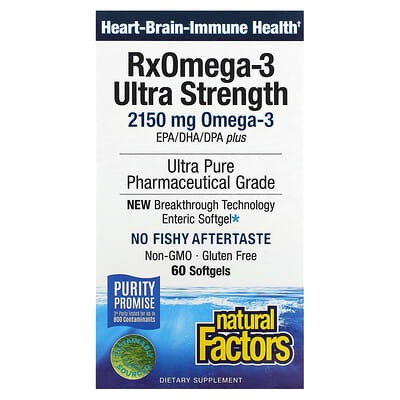
Ultra Strength One-per-Day RxOmega-3
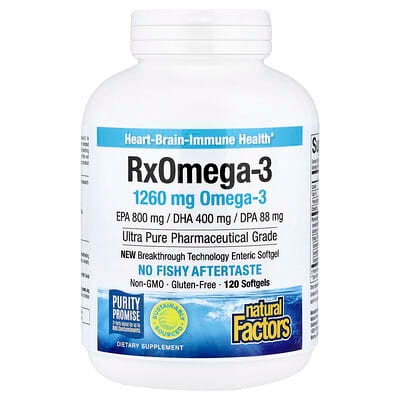
RxOmega-3