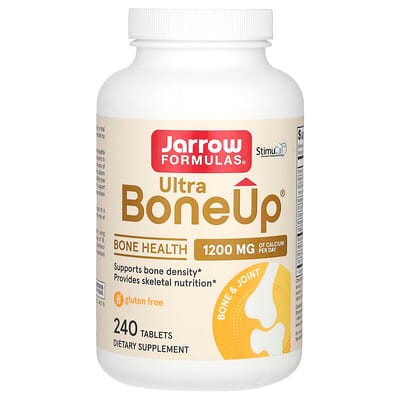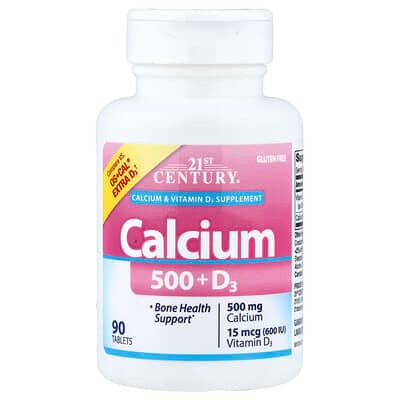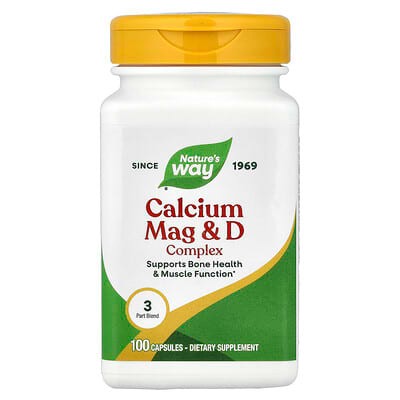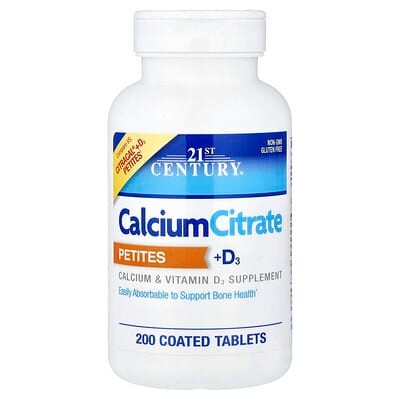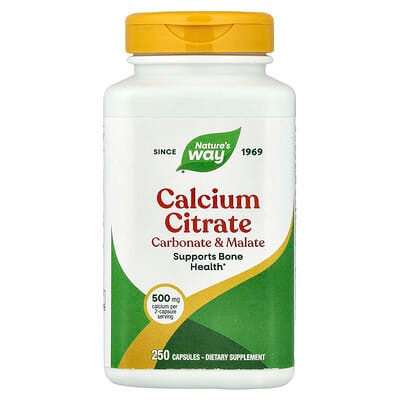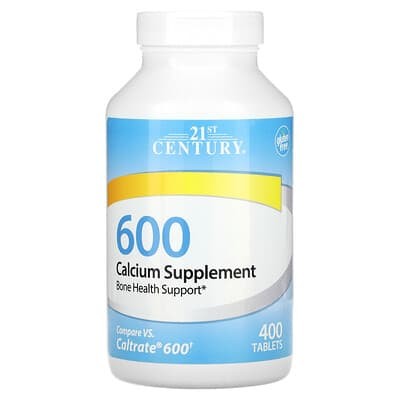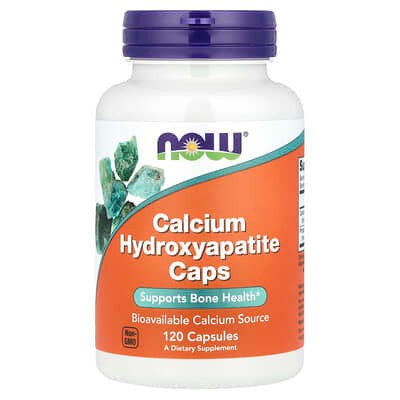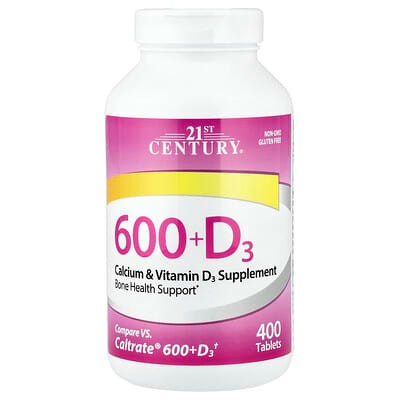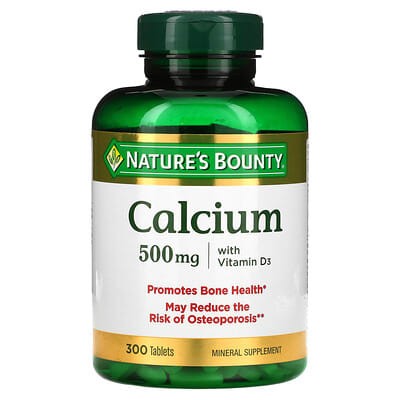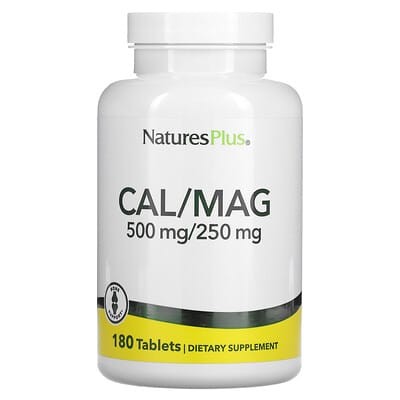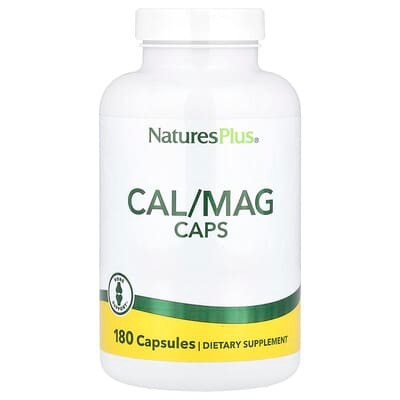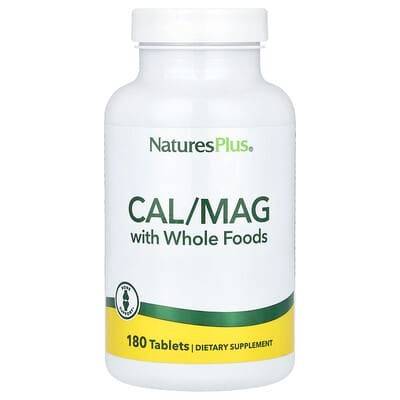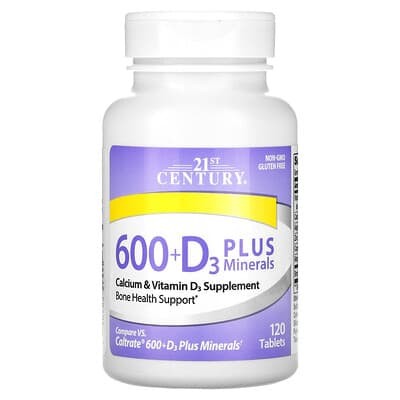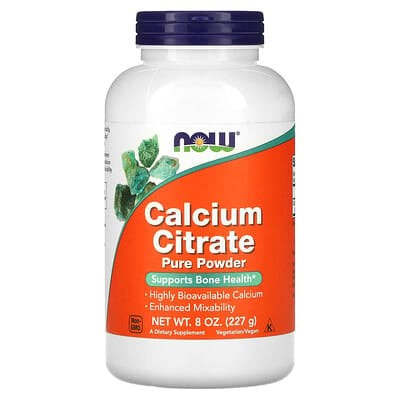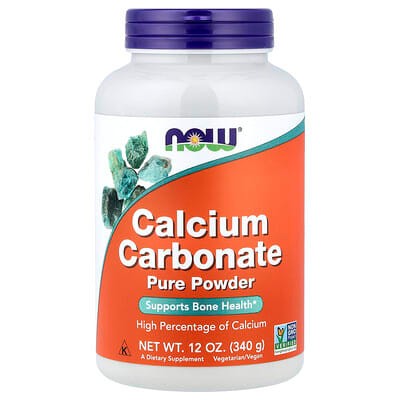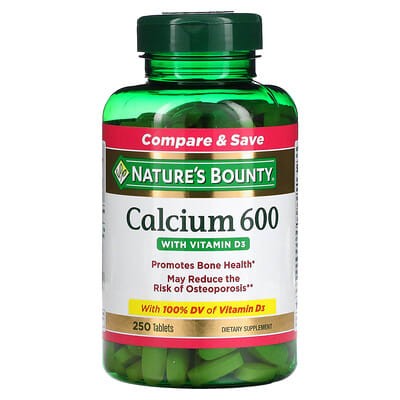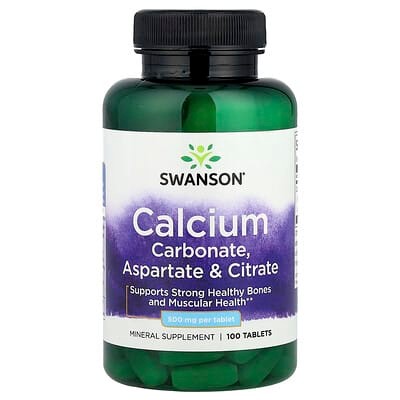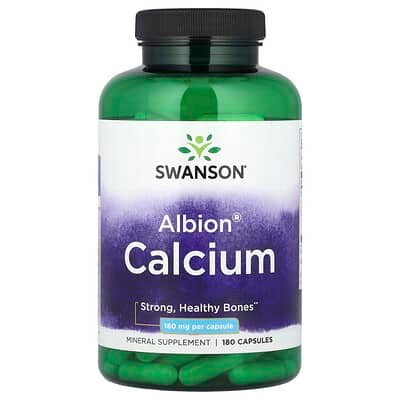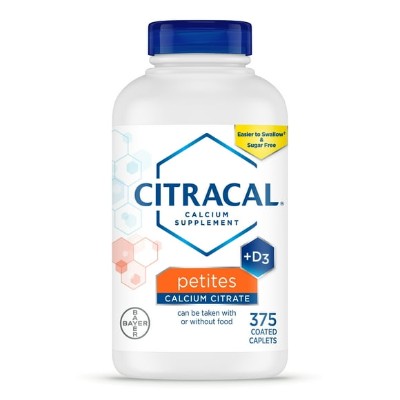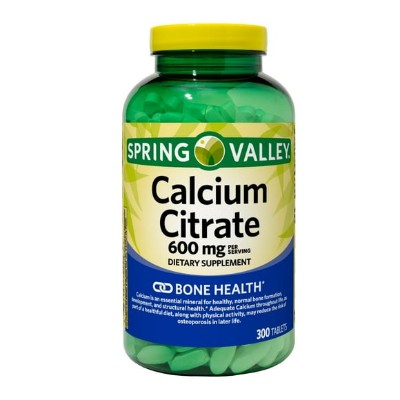
Calcium

mineral

Calcium is the most prevalent mineral in the body and is primarily stored in the bones and teeth to provide structural support. Maintaining sufficient levels throughout life supports bone density and contributes to long-term skeletal health. This mineral is also necessary for muscle contraction and relaxation, including cardiac function. It facilitates the transmission of nerve signals between the brain and body and supports blood clotting mechanisms and hormonal regulation. Ensuring adequate intake is a fundamental aspect of health. Calcium absorption is a complex process that often requires other nutrients, such as Vitamin D and Magnesium, to function effectively. Dietary sources and supplementation are common ways to maintain appropriate levels.

Natural sources
Dairy products (milk, yogurt, cheese)Leafy green vegetables (kale, spinach, broccoli)Fortified foods (cereals, orange juice, plant-based milks)TofuSardinesAlmonds

Ingredient forms

No public comparison lists found.

Timing & Intake
AnytimeWith foodTake with Vitamin D, Magnesium
Forms like calcium carbonate are best absorbed when taken with food. Dividing the total daily intake into smaller portions, such as 500mg at a time, may help improve the body's absorption efficiency.
Daily Intake
RDA (Men)1000 mg
RDA (Women)1000 mg
RDI1000 mg
Optimal Dosage
Minimum1000 mg
Maximum1500 mg
Safety & Toxicity
Upper Limit (UL)2500 mg
Toxicity Threshold3000 mg
Toxicity EffectKidney stones, impaired absorption of other minerals
3 safety notes
  • Individuals with a history of kidney stones should consult a healthcare professional before taking calcium supplements.
  • Excessive calcium intake can lead to hypercalcemia, which can cause nausea, vomiting, confusion, and heart problems.
  • Do not exceed recommended daily allowances without medical supervision.
Goals
Bone Health
Impact
Highest effect
Typical dose:500–1200 mg
Calcium is the most abundant mineral in the body, with over 99% stored in the skeleton. It serves as the main building block for bone tissue. Adequate intake is crucial to achieve peak bone mass during youth and to minimize bone loss with age.

Study evidence

144 studies

Calcium is essential for bones, and increasing intake can modestly improve bone density in some groups. Supplements do not consistently prevent fractures; benefits depend on context, and evidence for calcium combined with vitamin D cannot be attributed to calcium alone.

View goal

Nail Health
Impact
Limited evidence
Typical dose:500–1200 mg
While nails are composed of keratin protein, not primarily calcium, severe calcium deficiency can affect overall health, which may be reflected in nail quality. It plays a supportive role in cellular processes and maintaining the hardness of surrounding bone and tissues.

Study evidence

1 study

Calcium content within the nail is associated with nail consistency, but this does not show that taking calcium strengthens nails. The supplied evidence examines nail composition rather than whether dietary calcium or supplements improve nail growth, brittleness or appearance.

View goal

Studies

Research connections will load here.
Sources

Up to five highest-ranked published examples per goal. Study counts and charts include all published studies for the connection.

  1. What is the impact of daily oral supplementation of vitamin D3 (cholecalciferol) plus calcium on the incidence of hip fracture in older people? A systematic review and meta-analysis.
    Manoj P; Derwin R; George S · International journal of older people nursing · 2023
    Meta-analysis12,620 participants7 studies pooledBone Health
  2. Calcium supplementation prevents seasonal bone loss and changes in biochemical markers of bone turnover in elderly New England women: a randomized placebo-controlled trial.
    Storm D; Eslin R; Porter ES; Musgrave K; Vereault D; Patton C; Kessenich C; Mohan S; Chen T; Holick MF; Rosen CJ · The Journal of clinical endocrinology and metabolism · 1998
    Randomized trial60 participantsBone Health
  3. The effects of calcium supplementation (milk powder or tablets) and exercise on bone density in postmenopausal women.
    Prince R; Devine A; Dick I; Criddle A; Kerr D; Kent N; Price R; Randell A · Journal of bone and mineral research : the official journal of the American Society for Bone and Mineral Research · 1995
    Randomized trial168 participantsBone Health
  4. The efficacy of calcium supplementation alone in elderly Thai women over a 2-year period: a randomized controlled trial.
    Rajatanavin R; Chailurkit L; Saetung S; Thakkinstian A; Nimitphong H · Osteoporosis international : a journal established as result of cooperation between the European Foundation for Osteoporosis and the National Osteoporosis Foundation of the USA · 2014
    Randomized trial404 participantsBone Health
  5. Calcium-enriched foods and bone mass growth in prepubertal girls: a randomized, double-blind, placebo-controlled trial.
    Bonjour JP; Carrie AL; Ferrari S; Clavien H; Slosman D; Theintz G; Rizzoli R · The Journal of clinical investigation · 1997
    Randomized trial149 participantsBone Health
  6. Predictive Model of Nail Consistency Using Scanning Electron Microscopy with Energy-Dispersive X-Ray.
    Mingorance Álvarez E; Martínez Quintana R; Pérez Pico AM; Mayordomo R · Biology · 2021
    Cross-sectional study57 participantsNail Health