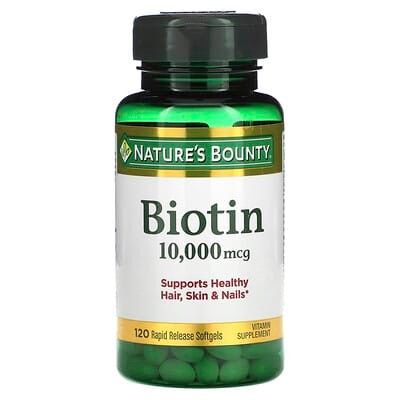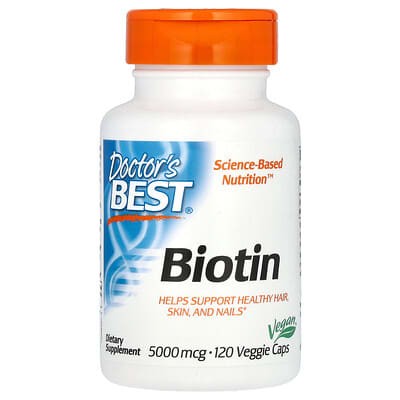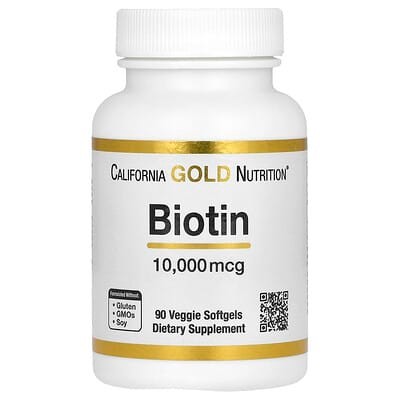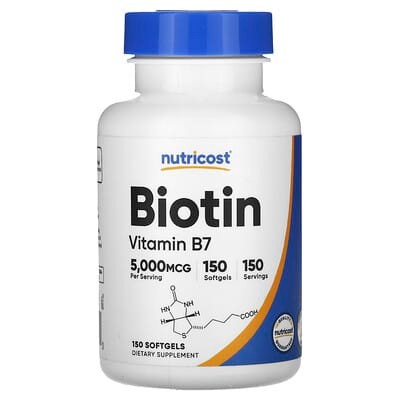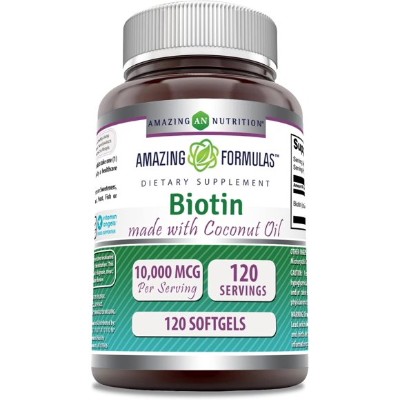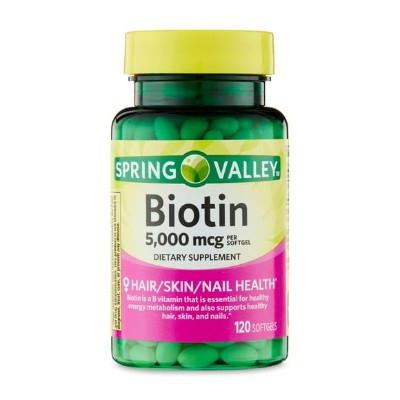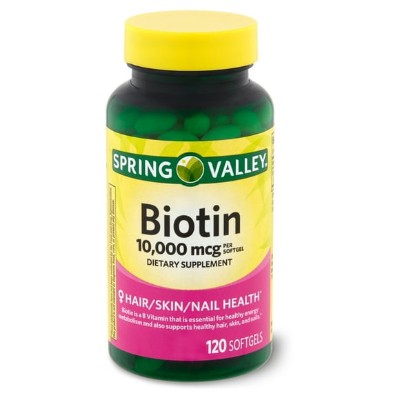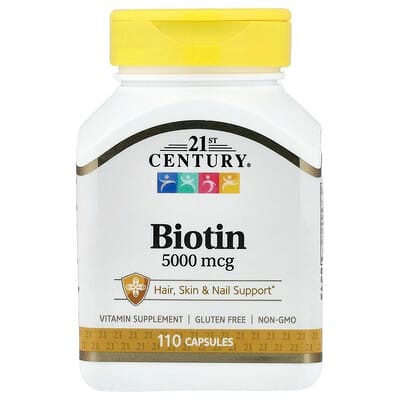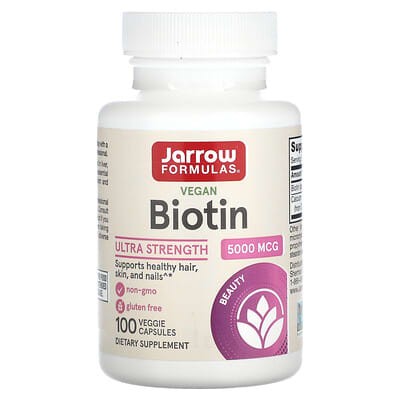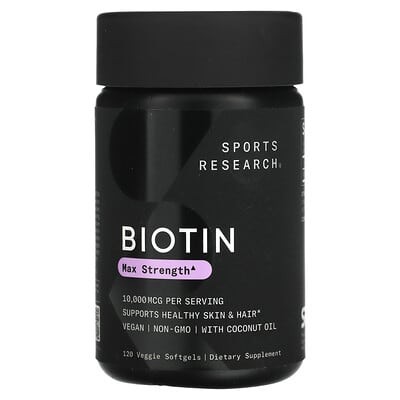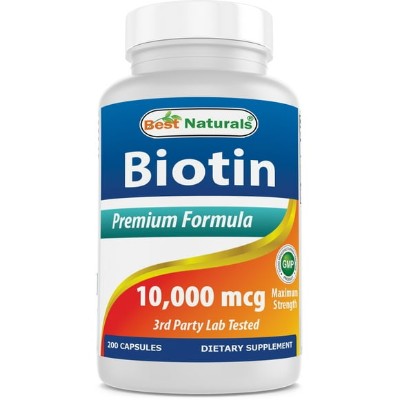
Biotin

vitamin

Biotin is an integral component of enzymes known as carboxylases, which are involved in key metabolic pathways. These enzymes are vital for the creation of glucose, the synthesis of fatty acids, and the breakdown of certain amino acids. This makes biotin fundamental for energy production and nutrient utilization at a cellular level. This vitamin is also recognized for its role in supporting the keratin infrastructure, which contributes to the health and integrity of skin, hair, and nails. Maintaining adequate biotin levels can help improve the strength of brittle nails and support hair quality. It also supports the function of the nervous system and plays a role in gene regulation. While deficiencies are rare in healthy individuals, supplementation may be beneficial for addressing specific dietary needs. It is important to note that biotin can significantly interfere with certain laboratory tests, such as thyroid and cardiac troponin screens. Informing a healthcare provider about biotin use before blood work is recommended.

Natural sources
Egg yolksOrgan meats (liver, kidney)Nuts (almonds, peanuts, walnuts)Seeds (sunflower seeds)Sweet potatoesMushroomsAvocadosBroccoliYeastDairy products (milk, cheese)

Ingredient forms

No public comparison lists found.

Timing & Intake
AnytimeWith food
Biotin can be taken at any time of day. Taking it with food may help minimize any potential mild stomach upset.
Daily Intake
RDA (Men)30 mcg
RDA (Women)30 mcg
RDI30 mcg
Optimal Dosage
Minimum100 mcg
Maximum500 mcg
Safety & Toxicity
Toxicity Threshold10000 mcg
Toxicity Effectno known toxicity
3 safety notes
  • Biotin can significantly interfere with certain laboratory tests, particularly thyroid hormone tests and cardiac troponin tests, leading to falsely high or low results. Always inform healthcare providers about biotin supplementation before any blood tests.
  • Rare allergic reactions may occur (rash, itching, swelling, severe dizziness, trouble breathing).
  • Individuals with underlying medical conditions, especially kidney disease, should consult a healthcare professional before taking biotin.
Goals
Hair Health
Impact
Highest effect
Typical dose:1000–5000 mcg
Biotin (Vitamin B7) is a cornerstone of hair health due to its role in the body's keratin infrastructure. While true deficiency is rare, supplementation can help improve hair quality, thickness, and strength, especially in individuals with suboptimal levels.

Study evidence

4 studies

Biotin may help hair problems linked to impaired biotin availability, but benefits for people without deficiency remain uncertain. Recent research on botanical biotin preparations is encouraging, yet it does not establish that ordinary biotin supplements reliably improve hair growth or quality.

View goal

Metabolism Boost
Impact
Highest effect
Typical dose:30–5000 mcg
Biotin (Vitamin B7) is essential for the function of carboxylase enzymes, which are vital for gluconeogenesis (creating glucose for energy) and the metabolism of both fatty acids and branched-chain amino acids. It is a key piece of the body's core metabolic machinery.

Study evidence

5 studies

Biotin supports normal energy metabolism, but that does not mean extra biotin speeds up metabolism. The available research suggests possible effects on blood sugar or blood fats in selected people with metabolic disorders, without establishing greater calorie burning or benefits in people with adequate intake.

View goal
Nail Health
Impact
Highest effect
Typical dose:2500–5000 mcg
Biotin (Vitamin B7) is a crucial coenzyme in the synthesis of keratin, the primary protein that makes up nails. Supplementation has been shown in multiple studies to improve nail firmness, hardness, and thickness, particularly in individuals with brittle nails.

Study evidence

8 studies

Biotin may improve the strength and appearance of brittle nails, but the evidence is limited and not everyone improves. Much of the research is uncontrolled or involves special formulations and combined treatments, so benefits for healthy nails are uncertain.

View goal
Skin Health
Impact
Situational effect
Typical dose:1000–5000 mcg
Biotin (Vitamin B7) is an essential cofactor for enzymes vital for healthy skin cells. Supplementation is most effective for individuals with a deficiency, which can manifest as dermatitis. For those with adequate dietary intake, its benefit is supportive rather than primary.

Study evidence

10 studies

Biotin can help skin problems caused by impaired biotin availability or metabolism, but that does not establish benefits for people with adequate biotin. Cosmetic supplementation findings are preliminary, and research on common infant skin rashes has not shown clear benefit.

View goal

Studies

Research connections will load here.
Sources

Up to five highest-ranked published examples per goal. Study counts and charts include all published studies for the connection.

  1. The Role of Sesbania grandiflora-Derived Biotin and Bambusa arundinacea-Derived Silica Extracts in Promoting Hair, Skin, and Nail Health: A Randomized, Double-Blind, Placebo-Controlled Clinical Study.
    Patel MN; Maheshvari J; Patel N · Cureus · 2025
    Randomized trial105 participantsSkin HealthHair HealthNail Health
  2. Low serum biotinidase activity in children with valproic acid monotherapy.
    Schulpis KH; Karikas GA; Tjamouranis J; Regoutas S; Tsakiris S · Epilepsia · 2001
    Clinical trial125 participantsSkin HealthHair Health
  3. Vitamins A, B, C, and D: A Short Review for the Dermatologist.
    Coerdt KM; Goggins CA; Khachemoune A · Alternative therapies in health and medicine · 2021
    Narrative reviewHair Health
  4. The Infatuation With Biotin Supplementation: Is There Truth Behind Its Rising Popularity? A Comparative Analysis of Clinical Efficacy versus Social Popularity.
    Soleymani T; Lo Sicco K; Shapiro J · Journal of drugs in dermatology : JDD · 2018
    Narrative reviewHair Health
  5. Biotin and contribution to normal energy-yielding metabolism: evaluation of a health claim pursuant to Article 14 of Regulation (EC) No 1924/2006.
    EFSA Panel on Dietetic Products, Nutrition and Allergies (NDA) · EFSA journal. European Food Safety Authority · 2026
    Guideline / consensusMetabolism Boost
  6. Pregnancy and lactation alter biomarkers of biotin metabolism in women consuming a controlled diet.
    Perry CA; West AA; Gayle A; Lucas LK; Yan J; Jiang X; Malysheva O; Caudill MA · The Journal of nutrition · 2015
    Clinical trial75 participantsMetabolism Boost
  7. Survey of the effect of biotin on glycemic control and plasma lipid concentrations in type 1 diabetic patients in kermanshah in iran (2008-2009)
    Hemmati M, Babaei H, Abdolsalehei M · Oman Medical Journal · 2013
    Randomized trial70 participantsMetabolism Boost
  8. Chromium picolinate and biotin combination improves glucose metabolism in treated, uncontrolled overweight to obese patients with type 2 diabetes
    César A Albarracin, Bobby C Fuqua, James L Evans, Ira D Goldfine · Diabetes/Metabolism Research and Reviews · 2008
    Randomized trial348 participantsMetabolism Boost
  9. Biotin supplementation reduces plasma triacylglycerol and VLDL in type 2 diabetic patients and in nondiabetic subjects with hypertriglyceridemia
    Cristina Revilla-Monsalve, Iván Zendejas-Ruiz, Sergio Islas-Andrade, Armida Báez-Saldaña, Miguel Angel Palomino-Garibay, Pedro Martín Hernández-Quiróz, Cristina Fernandez-Mejia · Biomedicine & Pharmacotherapy · 2006
    Randomized trial33 participantsMetabolism Boost
  10. Biotin for the treatment of nail disease: what is the evidence?
    Lipner SR; Scher RK · The Journal of dermatological treatment · 2018
    Narrative reviewNail Health
  11. Treatment of brittle fingernails and onychoschizia with biotin: scanning electron microscopy.
    Colombo VE; Gerber F; Bronhofer M; Floersheim GL · Journal of the American Academy of Dermatology · 1991
    Other32 participantsNail Health
  12. Treatment of brittle nail with a hydroxypropyl chitosan-based lacquer, alone or in combination with oral biotin: A randomized, assessor-blinded trial.
    Chiavetta A; Mazzurco S; Secolo MP; Tomarchio G; Milani M · Dermatologic therapy · 2020
    Randomized trial50 participantsNail Health
  13. Vitamins and minerals: their role in nail health and disease.
    Scheinfeld N; Dahdah MJ; Scher R · Journal of drugs in dermatology : JDD · 2007
    Narrative reviewNail Health
  14. Evaluation of biophysical skin parameters and hair changes in patients with acne vulgaris treated with isotretinoin, and the effect of biotin use on these parameters.
    Aksac SE; Bilgili SG; Yavuz GO; Yavuz IH; Aksac M; Karadag AS · International journal of dermatology · 2021
    Non-randomized trial60 participantsSkin Health
  15. Generalized seborrhoeic dermatitis. Clinical and therapeutic data of 25 patients.
    Messaritakis J; Kattamis C; Karabula C; Matsaniotis N · Archives of disease in childhood · 1976
    Non-randomized trial25 participantsSkin Health
  16. Holocarboxylase synthetase deficiency: novel clinical and molecular findings.
    Tammachote R; Janklat S; Tongkobpetch S; Suphapeetiporn K; Shotelersuk V · Clinical genetics · 2010
    Case series4 participantsSkin Health