
Nutrient quality
EPA and DHA provide a useful marine omega foundation. A small GLA amount and incomplete oil-quality details limit depth.
 iHerb iHerb | $ 39.00 |
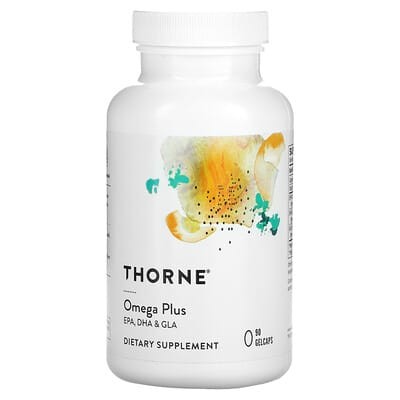
The gelcap provides 300 mg EPA and 200 mg DHA, a useful maintenance amount with an EPA-forward ratio. Borage oil contributes 40 mg GLA, adding a second fatty-acid pathway without crowding the formula.
Individual active amounts are easy to evaluate, which is preferable to an unspecified proprietary oil total. The GLA dose is small, however, so people shopping primarily for borage-derived GLA have stronger options.
The fish-oil molecular form, source species, borage processing method, and antioxidant protection are not stated. Independent purity or contaminant testing is also absent from the supplied information.
EPA and DHA provide a useful marine omega foundation. A small GLA amount and incomplete oil-quality details limit depth.
Important active-label details are incomplete or ambiguous. Complete use directions and inactive-ingredient details are not available.
The aggregate satisfaction measure is favorable, with response volume determining how much confidence it deserves. Comment-level evidence is absent, so recurring complaints and purpose fit cannot be verified.
Useful EPA and DHA amounts provide real functional value. Premium cost and incomplete quality disclosure weaken the comparison with peers.
| Ingredient | Amount per serving |
|---|---|
Calories | 10 Calorie(s) |
Total Fat | 1 Gram(s) |
Eicosapentaenoic Acid | 300 mg |
Docosahexaenoic Acid | 200 mg |
Gamma-Linolenic Acid | 40 mg |
The serving provides 300 mg EPA, and epa reaches the preferred ratio over dha. EPA makes up a moderate share of the disclosed oil weight, but the molecular form and contaminant-testing status are not disclosed. EPA cost efficiency is moderate, while no oil-protection antioxidant is listed.
Borage oil supplies the GLA, but only a small amount is present because the formula focuses mainly on EPA and DHA. The exact active yield is transparent, while processing and antioxidant-protection details are missing. GLA-specific value is weak even though the broader omega-fatty-acid blend may serve other aims.
A 200 mg DHA dose is paired with EPA and borage-derived GLA, but DHA potency remains low. Mixed tocopherols support stability, while the ethyl-ester form and moderate oil concentration limit quality. Cost per gram is high for someone shopping specifically for DHA.