
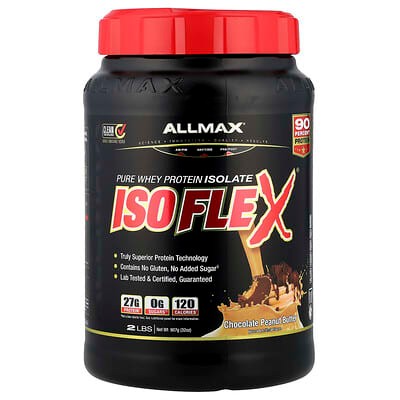
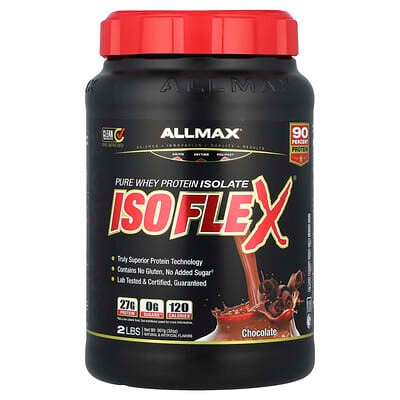
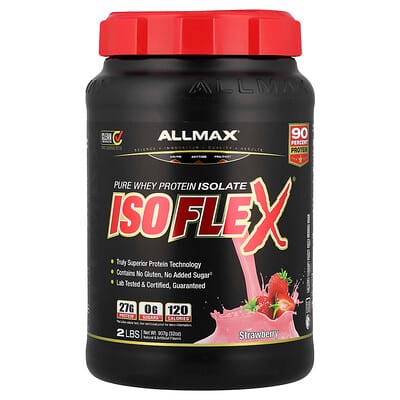
Nutrient quality
A substantial complete-protein amount provides the main nutritional strength. Unspecified protein and mineral forms plus limited heart-specific design reduce confidence in quality and intended-use fit.
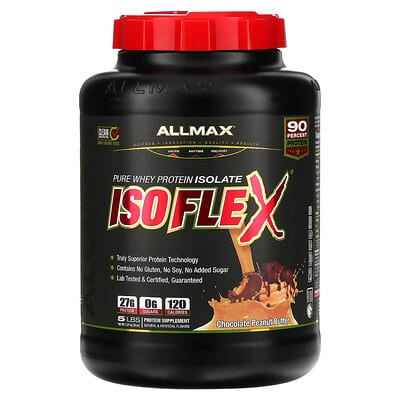
 Vitacost Vitacost | $ 139.99 | |
 iHerb iHerb | $ 162.84 |
A 27 g protein serving gives this powder strong protein density. Low fat, low carbohydrate, and no listed cholesterol make the macronutrient profile notably lean.
Sodium is modest, while potassium contributes only limited nutritional support. No additional active ingredient gives the formula meaningful breadth for the stated heart-health goal.
The supplied facts clearly show protein and key nutrients, but the protein source form and inactive ingredients are not identified. That prevents fuller assessment of processing, flavoring, sweeteners, and tolerance.
A substantial complete-protein amount provides the main nutritional strength. Unspecified protein and mineral forms plus limited heart-specific design reduce confidence in quality and intended-use fit.
Protein and basic nutrition totals are clear enough to judge the main serving. Missing source ingredients, mineral forms, full directions, and non-active ingredients prevent complete label assessment.
The supplied average is strong and supported by substantial response volume. No comment-level evidence is available to assess repeated complaints or alignment with the intended use.
A substantial complete-protein serving provides practical nutritional value. Incomplete source disclosure and weak heart-specific utility limit the quality case at the stated category cost.
| Ingredient | Amount per serving |
|---|---|
Calories | 120 Calorie(s) |
Total Fat | 0.5 Gram(s) |
Cholesterol | 0 mg |
Total Carbohydrate | 2 Gram(s) |
Protein | 27 Gram(s) |
Calcium | 103 mg |
Iron | 1.4 mg |
Sodium | 120 mg |
Potassium | 180 mg |
The sodium amount is inadequate for strenuous exercise and its mineral source is not disclosed. Potassium offers some breadth but lacks a stated form, while magnesium and buffering compounds are missing. Low carbohydrate content helps, yet the high serving cost buys protein rather than effective electrolyte replacement.
The 180 mg potassium serving makes a modest contribution but falls well short of the collection benchmark. The unidentified potassium source prevents a clear assessment of absorption quality. Its serving cost is somewhat favorable, yet the low potassium amount keeps value limited.
Published studies used for the product analysis and the top-ranked studies for each ingredient and goal.