Chlorophyll

non-nutrient_non-botanical

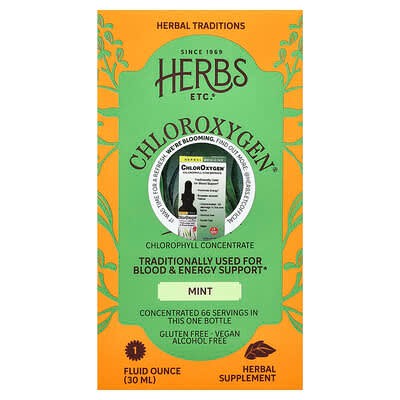
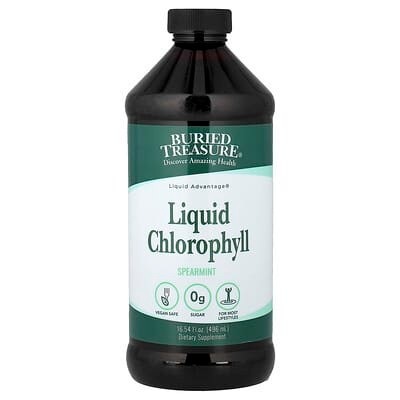
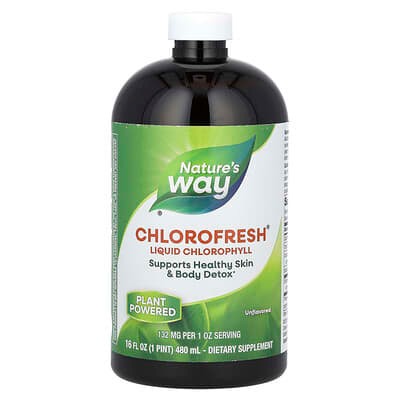
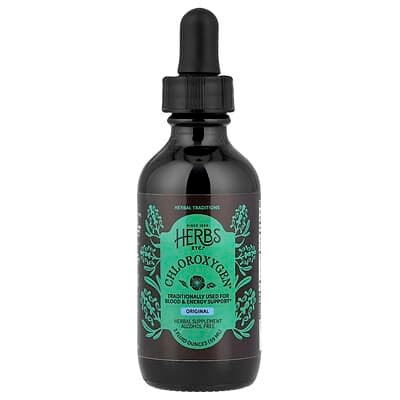
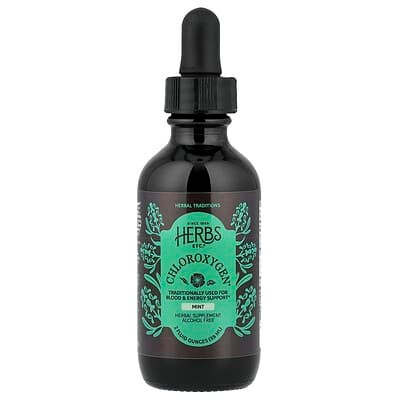
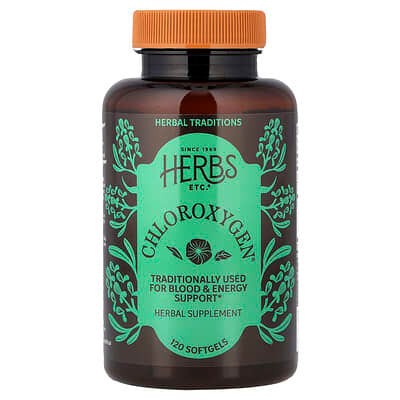
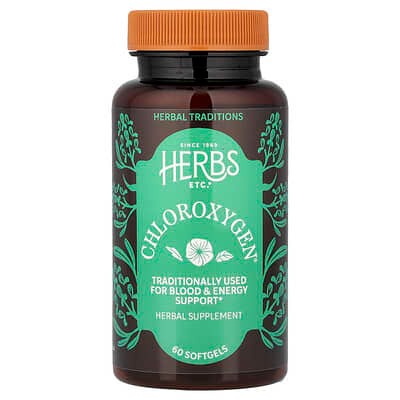
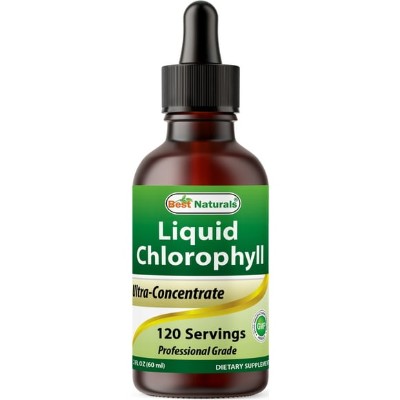
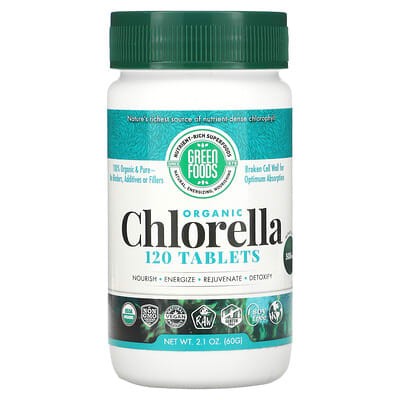
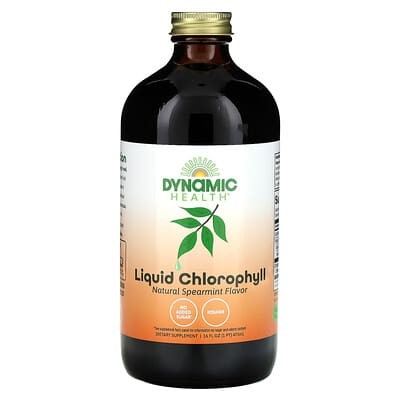
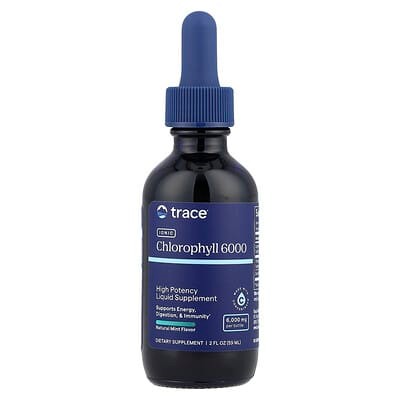
Chlorophyll serves as the primary green pigment in plants and algae, facilitating the conversion of light into chemical energy. It shares a structural resemblance to heme in human blood, though it contains a magnesium ion at its center instead of iron. Supplementation typically uses chlorophyllin, a semi-synthetic, water-soluble derivative valued for its antioxidant activity, which may help protect cells from oxidative damage. Beyond these antioxidant effects, chlorophyll and its derivatives are frequently utilized as internal deodorants. This application helps manage bad breath and body odors, likely because the compound binds to certain odor-causing substances. It is also explored for its potential to support detoxification pathways, aid the removal of certain toxins, and contribute to overall liver health. Research also focuses on its benefits for skin health, suggesting that it may help improve certain skin conditions and address signs of aging when used internally or topically. These effects may be supported by its potential anti-inflammatory properties, making it a common component in both nutritional supplements and topical applications.

Natural sources
Green leafy vegetables (e.g., spinach, kale, collard greens, parsley)WheatgrassAlgae (e.g., spirulina, chlorella)BroccoliGreen beansAsparagus

No public comparison lists found.

Optimal Dosage
Minimum100 mg
Maximum300 mg
Safety & Toxicity
Toxicity Threshold5000 mg
Toxicity EffectDiarrhea, stomach cramps
4 safety notes
  • Pregnant or breastfeeding individuals should consult a healthcare professional before use due to limited safety data.
  • May cause green discoloration of urine and stool, which is harmless but can be mistaken for other conditions.
  • Individuals taking medications that increase sun sensitivity should use chlorophyll with caution, as it may rarely enhance photosensitivity.
  • Stop use and consult a doctor if severe digestive issues or allergic reactions occur.
Goals
Skin Health
Impact
Situational effect
Typical dose:100–300 mg
Chlorophyll acts as an internal deodorant and has antioxidant properties that can help protect cells from oxidative stress. While some evidence suggests it may reduce inflammation and aid in healing, its direct, high-impact benefits for skin when taken orally are less established than other targeted antioxidants.

Study evidence

2 studies

Chlorophyll-based preparations have shown promise in specialized light treatments for skin conditions, but this evidence does not establish that oral chlorophyll improves skin health. The observed benefits involved specific treatment formulations and light exposure, rather than chlorophyll supplementation alone.

View goal
Studies

Research connections will load here.
Interactions

Positive Interactions

Vitamin C
Both chlorophyll and Vitamin C are potent antioxidants, potentially enhancing overall cellular protection and immune support.
Vitamin E
Combining chlorophyll with Vitamin E can provide a broader spectrum of antioxidant defense against free radical damage.
Selenium
Chlorophyll may work synergistically with selenium, an essential mineral and antioxidant, to enhance the body's protective mechanisms.
Zinc
As both contribute to antioxidant defenses and immune function, chlorophyll and zinc can offer complementary support for overall health.
Gluthathione
Both chlorophyll and glutathione are known for their detoxification and antioxidant properties, potentially amplifying their combined effects in supporting cellular health and toxin elimination.
Astaxanthin
Chlorophyll and astaxanthin are both powerful antioxidants, and their combination may provide enhanced protection against oxidative stress.
Lycopene
Lycopene and chlorophyll, as plant pigments with strong antioxidant properties, can offer comprehensive protection against free radical damage.
Coenzyme Q-10
Chlorophyll and Coenzyme Q-10 both contribute to cellular protection and energy, potentially offering synergistic benefits for overall vitality.
Curcumin
Curcumin's anti-inflammatory and antioxidant effects may be complemented by chlorophyll's similar properties, enhancing overall protective and soothing benefits.
Resveratrol
Chlorophyll and resveratrol are both known antioxidants, and their co-administration may offer enhanced support for cellular health and anti-aging processes.
carotenoids
As plant pigments, chlorophyll and carotenoids often co-exist and provide a broader spectrum of antioxidant benefits when taken together.
Flavonoid
Chlorophyll, with its antioxidant capacity, may work synergistically with flavonoids to enhance overall antioxidant defense and reduce oxidative stress.
Blue-Green Algae
Chlorophyll is a component of blue-green algae, and taking it alongside further blue-green algae may enhance the overall nutritional and antioxidant benefits derived from these plant sources.
Iron
Chlorophyll, particularly chlorophyllin, is sometimes associated with supporting blood health, potentially complementing iron in promoting healthy red blood cell production.
Vitamin A
Chlorophyll and Vitamin A (often derived from carotenoids in plants) are both important for antioxidant function and can offer combined benefits for general health.
Sources

Up to five highest-ranked published examples per goal. Study counts and charts include all published studies for the connection.

  1. Photosensitizer Radachlorin®: Skin cancer PDT phase II clinical trials.
    Kochneva EV; Filonenko EV; Vakulovskaya EG; Scherbakova EG; Seliverstov OV; Markichev NA; Reshetnickov AV · Photodiagnosis and photodynamic therapy · 2011
    Randomized trialSkin Health
  2. Photodynamic therapy using chlorophyll-a in the treatment of acne vulgaris: a randomized, single-blind, split-face study.
    Song BH; Lee DH; Kim BC; Ku SH; Park EJ; Kwon IH; Kim KH; Kim KJ · Journal of the American Academy of Dermatology · 2014
    Randomized trial24 participantsSkin Health