Impact
Highest effect
Typical dose:500–1000 mg
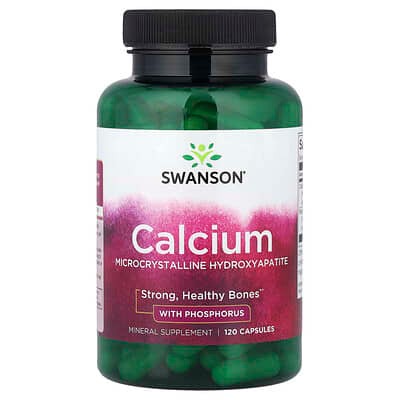
Phosphorus works with calcium to form the mineral structure of bone. Dietary deficiency is rare, and excess intake can disrupt calcium balance, so supplementation is generally less relevant than maintaining an adequate dietary intake.
Study evidence
44 studiesPhosphorus is essential for bone mineralization, but extra supplementation has not been shown to strengthen bones generally. Its effects depend on calcium intake, kidney function, and phosphorus status; both inadequate availability and excessive phosphorus exposure can be relevant to bone problems.
View goal