

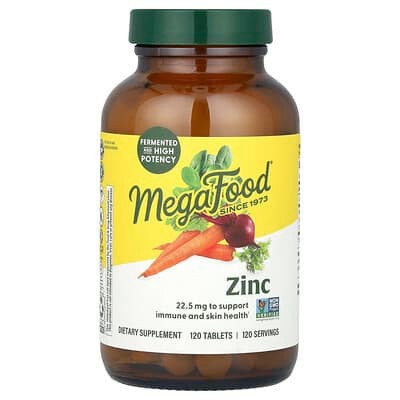
Nutrient quality
The bisglycinate form and substantial zinc amount provide strong nutrient quality. A small unnamed food blend adds little, while the zinc level remains suitable for general targeted use.
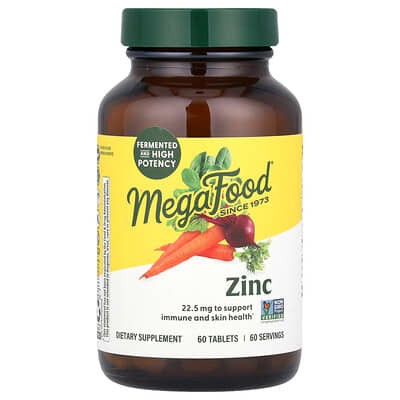
 iHerb iHerb | $ 17.99 | |
 Vitacost Vitacost | $ 19.15 | |
 Pure Formulas Pure Formulas | $ 17.99 | |
 Walmart Walmart | $ 17.99 |
Zinc bisglycinate is a strong chelated form with good absorption and digestive tolerance. The 22.5 mg amount fits a substantial maintenance or targeted routine.
The nourishing food blend is small and unlikely to add meaningful support beyond the mineral. A pressed tablet may require more binders and offers no clear delivery advantage.
The product is easy to understand but not especially economical for a single zinc active. It suits users who prioritize bisglycinate and tablet use over lowest cost.
The bisglycinate form and substantial zinc amount provide strong nutrient quality. A small unnamed food blend adds little, while the zinc level remains suitable for general targeted use.
The zinc amount and form are clear, but the food blend hides its components. Inactive tablet ingredients and complete use directions are not supplied.
Aggregate customer metrics indicate strong satisfaction from a very large sample. Missing feedback details prevent judging repeated complaints or whether experiences match the intended use.
A premium zinc form provides meaningful quality for the price. The vague food blend and moderate serving cost keep value from standing out.

Zinc bisglycinate provides a well-absorbed chelated form at 22.5 mg. Zinc supports immune readiness, enzyme function, antioxidant defenses, and normal cell maintenance.
The amount is meaningful and remains below the adult upper intake limit, making it more balanced than higher-dose zinc products for routine use. The small nourishing food blend is not defined and adds little assessable value.

Chelated zinc provides focused support for immune readiness, enzyme activity, and normal cellular function. The amount is substantial and the bisglycinate form is clearly disclosed.
The small nourishing blend is not detailed enough to add much confidence or breadth. Long-term users should account for zinc from other supplements because the formula does not show added copper.

Zinc provides a relevant route to testosterone support. The disclosed amount appears meaningful for that focused role.
The formula remains narrow rather than comprehensive. Zinc is best viewed as targeted support rather than proof of a clinical benefit.

Zinc supports follicle cell division, protein synthesis, and normal repair, making it relevant when low zinc status contributes to shedding. Evidence is strongest for correcting deficiency rather than promoting extra growth in zinc-replete users.
The 22.5 mg amount is substantial, and zinc bisglycinate is a well-absorbed form with clear disclosure. The small food blend adds little assessable hair support, while long-term stacking with other zinc products could impair copper balance.
Chelated zinc supports normal skin barrier function and tissue repair, especially when zinc intake is low. It is not a comprehensive skin formula and offers no direct collagen, hydration, or photoprotection active.
The amount and bisglycinate form are favorable, while the tablet format is a modest limitation. The small nourishing food blend is not detailed enough to add meaningful skin evidence.
| Ingredient | Amount per serving |
|---|---|
Zinc (Zinc Bisglycinate) | 22.5 mg |
Nourishing Food Blend | 26 mg |
The bisglycinate form supports good absorption and is often easier on the stomach than basic zinc salts. Its maintenance-level dose is clearly disclosed and stays below the usual adult upper intake limit. The hard-pressed tablet is a less favorable delivery format, and the serving cost is only moderate rather than especially efficient.
Published studies used for the product analysis and the top-ranked studies for each ingredient and goal.