
Nutrient quality
The protein amount is meaningful and the macronutrient profile is practical. Incomplete whey-source detail and weak heart-specific coverage are the main limitations.
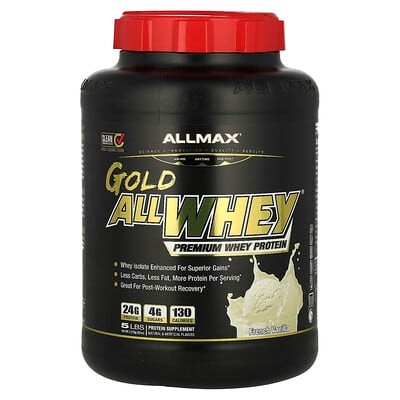
.
 Vitacost Vitacost | $ 109.99 | |
 iHerb iHerb | $ 118.44 |
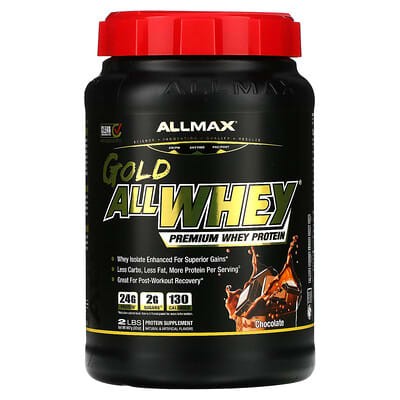
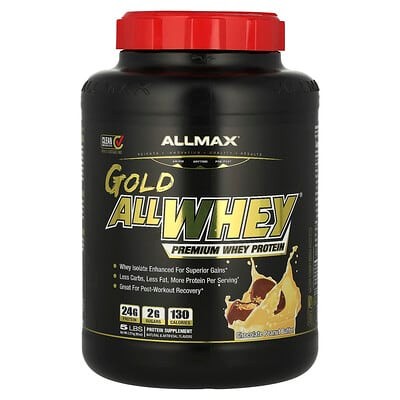
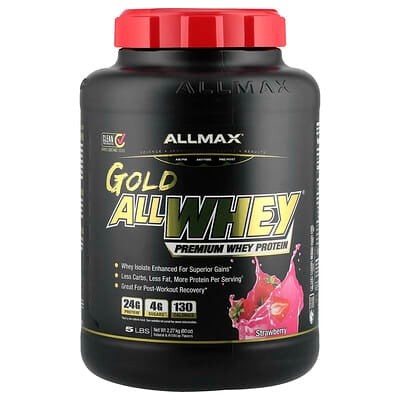
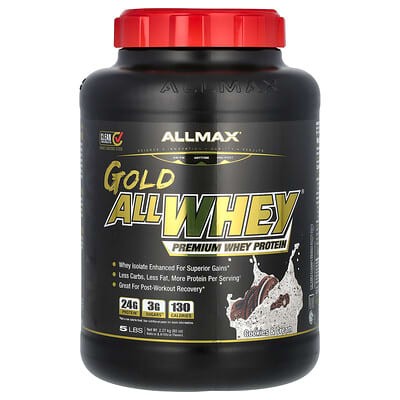
The 24 g protein serving provides a practical amount for routine shakes with only 4 g carbohydrate. The exact whey type is not identified, so shoppers cannot compare processing or protein-source quality.
Potassium at 200 mg offers only a modest contribution to daily intake. Sodium is low and no magnesium, omega-3s, CoQ10, or other focused heart ingredient is present.
The label clearly quantifies the core nutrition facts. Mineral forms, sweeteners, flavors, and other ingredients are missing from the supplied data, while the serving cost is not especially competitive.
The protein amount is meaningful and the macronutrient profile is practical. Incomplete whey-source detail and weak heart-specific coverage are the main limitations.
.Core nutrition totals are clear enough for basic comparison. Missing complete ingredients, use directions, and detailed protein or blend composition leave notable gaps.
.Aggregate satisfaction data are favorable. Specific firsthand comments were not supplied, leaving repeated complaints and purpose fit uncertain.
.The protein amount provides fair value for the category. Cost and formulation trade-offs keep it from standing out.
.| Ingredient | Amount per serving |
|---|---|
Calories | 130 Calorie(s) |
Total Fat | 1.5 Gram(s) |
Cholesterol | 45 mg |
Total Carbohydrates | 4 Gram(s) |
Protein | 24 Gram(s) |
Calcium | 140 mg |
Iron | 0 mg |
Sodium | 105 mg |
Potassium | 200 mg |
The sodium amount is too low for athletic replenishment and its source is not identified. Potassium adds limited coverage but has no disclosed form, while magnesium and buffering support are absent. A high serving cost makes the weak electrolyte contribution difficult to justify for sodium-focused use.
The listed potassium amount is moderate but remains well below the effective target. The label gives a likely elemental amount but does not identify the potassium compound, leaving form quality uncertain. Value is limited because the serving pairs a modest amount with a moderate serving cost.
Published studies used for the product analysis and the top-ranked studies for each ingredient and goal.