
Nutrient quality
The precursor form requires conversion. The very high amount creates a meaningful nerve-symptom risk with prolonged daily use.
.
 Daily Vita Daily Vita | $ 5.20 | |
 iHerb iHerb | $ 5.50 | |
 Pure Formulas Pure Formulas | $ 5.35 | |
 Amazon Amazon | $ 7.65 | |
 Vitacost Vitacost | $ 6.07 |
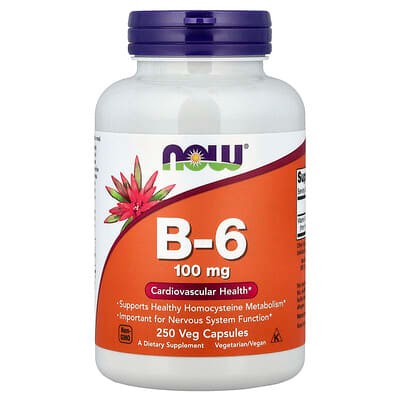
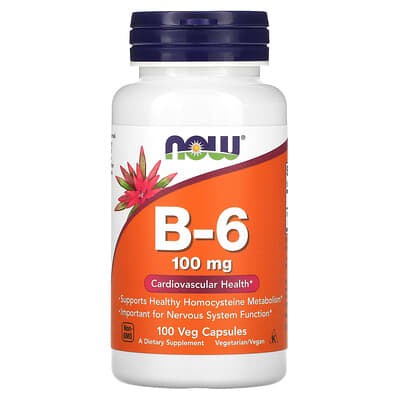
The capsule keeps the formula focused on one clearly named vitamin B6 form. Its single-unit serving is convenient for users who have a specific reason to take a high amount.
Pyridoxine hydrochloride must be converted to an active coenzyme form. The 100 mg serving is also far above a typical nutritional amount and is the product's central limitation.
Good value and straightforward labeling are useful purchasing qualities, but they do not make prolonged use low risk. A lower amount or active P-5-P formula will suit more routine users.
The precursor form requires conversion. The very high amount creates a meaningful nerve-symptom risk with prolonged daily use.
.Active names and amounts are clearly stated, with no hidden proprietary dose. Complete intake directions and a full inactive-ingredient list are not included in the supplied data.
.Supplied satisfaction metrics indicate a strong result with a meaningful response pool. Detailed experience themes are absent, so recurring complaints and real-world purpose fit remain uncertain.
.Serving value appears favorable relative to the disclosed form and amount. The focused formula avoids low-value extras.
.| Ingredient | Amount per serving |
|---|---|
Vitamin B6 (Pyridoxine Hydrochloride) | 100 mg |
The single-capsule serving clearly provides pyridoxine hydrochloride, a precursor form without a listed riboflavin cofactor. Its very low serving cost is appealing, but the 100 mg dose sits at the chronic-use safety limit. Long-term daily use at that amount may cause peripheral neuropathy, including tingling or numbness.