Rosemary
Rosemary (Rosmarinus officinalis) is an aromatic evergreen shrub native to the Mediterranean region, traditionally used as a culinary spice and for its medicinal properties. Its distinct flavor and fragrance come from its volatile oils and a wealth of bioactive compounds, including rosmarinic acid, carnosic acid, and various flavonoids, which contribute to its therapeutic potential. The herb is particularly renowned for its potent antioxidant activity, helping to protect cells from oxidative stress and damage. Additionally, rosemary exhibits anti-inflammatory effects, which can be beneficial for various bodily systems. It is also often associated with cognitive enhancement, with research exploring its potential to improve memory, concentration, and overall brain function. Beyond its internal uses, rosemary is popular in aromatherapy and topical applications for stimulating hair growth and improving skin health. It's a versatile herb recognized by both traditional herbalists and modern scientific research for its wide array of health-promoting benefits, supporting overall wellness and vitality.


Positive Interactions
Negative Interactions
St. John's Wort 300 mg
GABA Brain Food
Pycnogenol Supreme
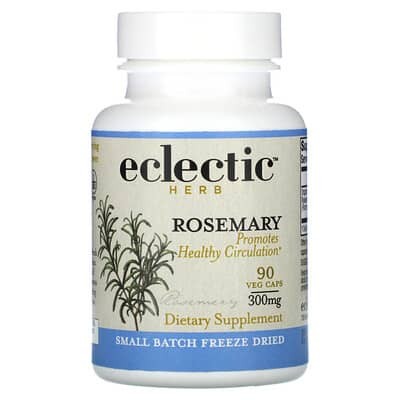
Rosemary 300 mg
CogniTropic
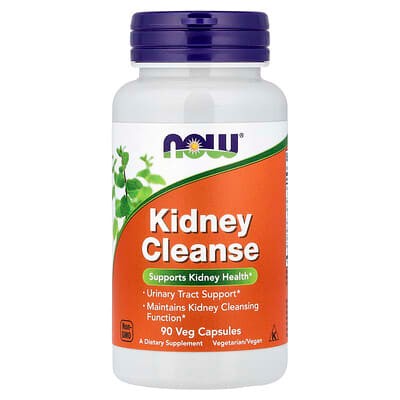
Kidney Cleanse
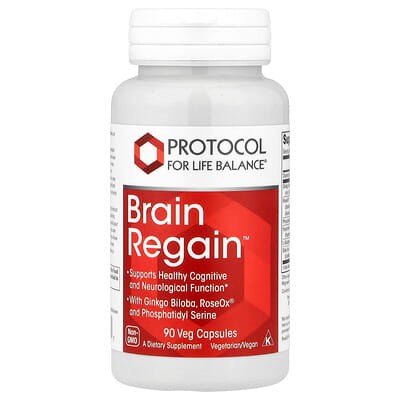
Brain Regain
Peppermint Oil Combination Enteric Coated
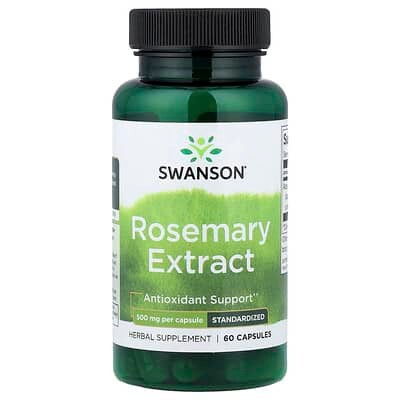
Rosemary Extract 500 mg
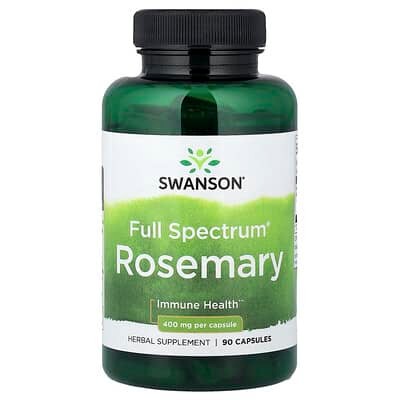
Rosemary 400 mg
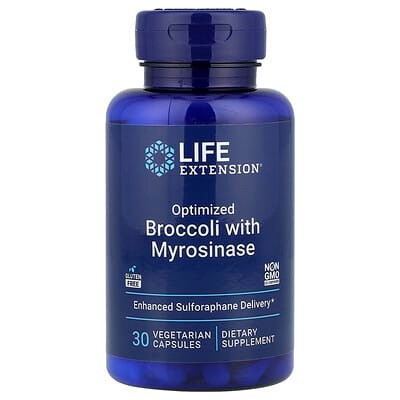
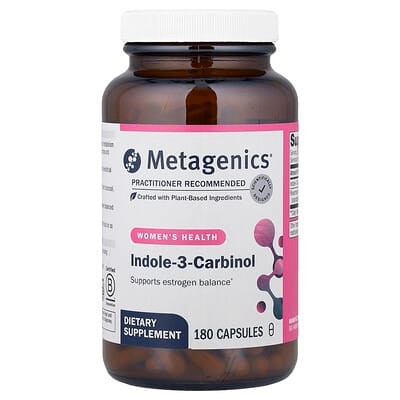
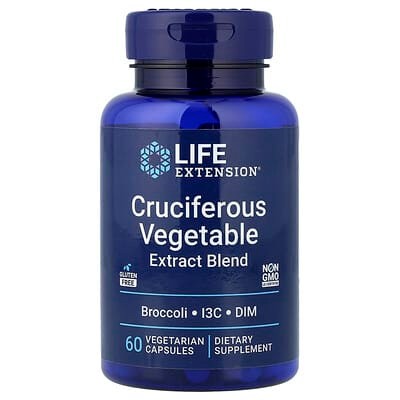
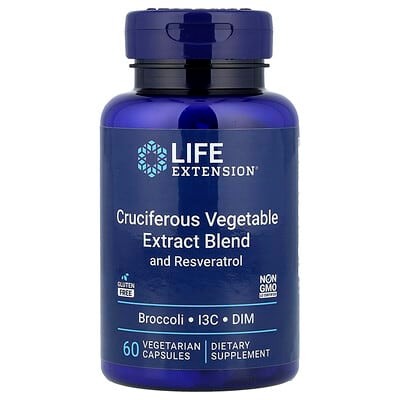
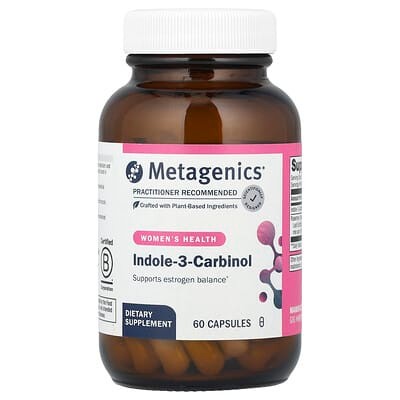
Triple Action Cruciferous Vegetable Extract
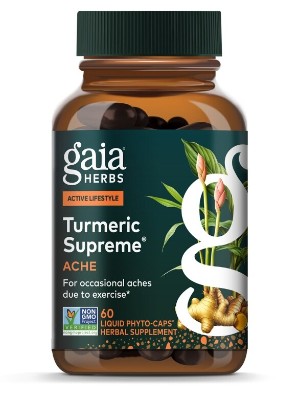
Turmeric Supreme Pain
AlliBiotic CF
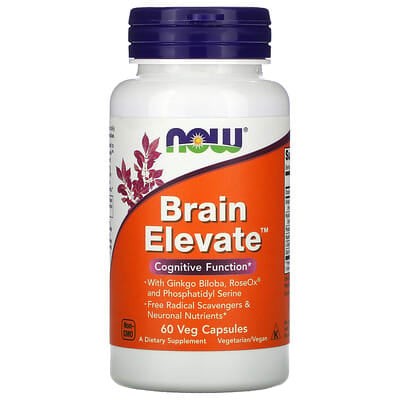
Brain Elevate
Brain Elevate
Rosemary Leaf 700 mg
- Powerful antioxidant activity
- Strong anti-inflammatory effects
- Demonstrated neuroprotective potential
- Poor water solubility, which can affect formulation
- Bioavailability may vary depending on delivery method
- Potential for interactions with certain medications
- Synergistic antioxidant and anti-inflammatory effects
- Broad spectrum of action due to combined compounds
- Enhanced neuroprotective potential compared to single compounds
- Similar solubility and potential interaction considerations as carnosic acid alone
- Standardization of ratio may vary between products
- Comprehensive activity profile from synergistic compounds
- Captures the full spectrum of diterpene-related benefits
- Reflects the natural complex of active compounds in the plant
- Specific concentrations of individual compounds may vary across extracts
- Less standardized than isolated forms, potentially leading to variability in effects
- Potent antioxidant activity
- Significant anti-inflammatory properties
- Relatively good water solubility compared to diterpenes
- Bioavailability can be limited due to extensive metabolism
- Less lipid-soluble than diterpenes, potentially affecting brain penetration compared to carnosic acid
- Synergistic antioxidant and anti-inflammatory effects
- Broad spectrum of action due to combined compounds
- Enhanced neuroprotective potential compared to single compounds
- Similar solubility and potential interaction considerations as carnosic acid alone
- Standardization of ratio may vary between products
- Powerful antioxidant activity
- Strong anti-inflammatory effects
- Demonstrated neuroprotective potential
- Poor water solubility, which can affect formulation
- Bioavailability may vary depending on delivery method
- Potential for interactions with certain medications