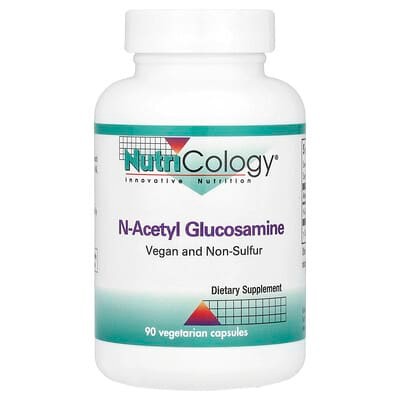
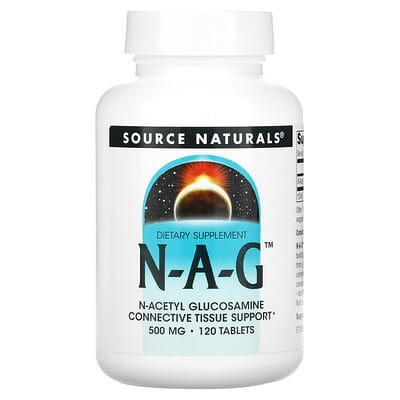
N-Acetyl Glucosamine

non-nutrient_non-botanical

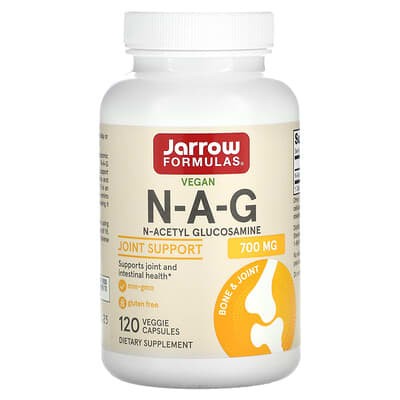
N-Acetyl Glucosamine (NAG) is a naturally occurring amino sugar that serves as a fundamental building block for various complex molecules in the body. Unlike glucosamine sulfate or glucosamine HCl, NAG is absorbed directly and acts as a precursor to hyaluronic acid, which is essential for maintaining moisture and lubrication in the joints and skin. It plays a role in synthesizing glycosaminoglycans and proteoglycans, which are necessary components of cartilage and connective tissues. NAG supports the health and integrity of cartilage to contribute to joint comfort and mobility. In addition to joint health, it is recognized for its potential to support skin hydration and elasticity, while also aiding the integrity of the gastrointestinal lining. This makes it a common ingredient in formulations intended to support connective tissue health. Its unique structure allows the body to readily utilize it for synthesizing important structural molecules. As a non-nutrient and non-botanical ingredient, it provides targeted support for cellular processes related to the maintenance and repair of various tissues.


Natural sources
Chitin (exoskeletons of shellfish like shrimp, crab, and lobster)Fungi

No public comparison lists found.

Optimal Dosage
Minimum500 mg
Maximum1500 mg
Safety & Toxicity
Toxicity Threshold5000 mg
Toxicity EffectStomach upset, diarrhea
3 safety notes
  • Individuals with shellfish allergies should exercise caution or avoid, as N-Acetyl Glucosamine is often derived from shellfish.
  • Pregnant or nursing women, individuals with diabetes, or those on blood-thinning medications should consult a healthcare professional before use.
  • May impact blood sugar levels, monitoring is advisable for diabetics.
Goals
Digestive Health
Impact
High effect
Typical dose:1000–2000 mg
N-Acetyl Glucosamine (NAG) is a precursor to glycosaminoglycans, which are essential components of the gut's mucosal lining. A robust mucus layer protects intestinal cells from damage. NAG also has anti-inflammatory properties beneficial for calming an irritated gut lining.

Study evidence

No published studies for this goal yet.

View goal
Joint Health
Impact
High effect
Typical dose:750–1500 mg
As a direct precursor to hyaluronic acid, N-Acetyl Glucosamine (NAG) is more readily incorporated into synovial fluid and cartilage than other forms of glucosamine. It supports joint lubrication and the integrity of the cartilage matrix, helping to reduce stiffness and improve comfort.

Study evidence

3 studies

N-Acetyl Glucosamine has preliminary evidence for effects on cartilage turnover, but clear benefits for joint pain or mobility remain uncertain. Some encouraging results involve a specialized polymer or combination with chondroitin, so they do not establish the effectiveness of N-Acetyl Glucosamine alone.

View goal
Skin Health
Impact
High effect
Typical dose:500–1000 mg
As a direct precursor to hyaluronic acid (HA), N-Acetyl Glucosamine promotes the body's natural production of this powerful humectant, improving skin moisture, elasticity, and firmness. It has also been shown to inhibit tyrosinase activity, the enzyme responsible for melanin production, which can help reduce hyperpigmentation and even out skin tone.

Study evidence

7 studies

Topical N-Acetyl Glucosamine has promising evidence for improving skin hydration and the appearance of uneven pigmentation. The supplied research mainly concerns creams and specialized wound materials, so it does not establish that taking an oral supplement provides the same skin benefits.

View goal
Anti-Inflammatory Support
Impact
Situational effect
Typical dose:750–1500 mg
N-Acetyl Glucosamine (NAG) serves as a building block for the protective mucous layer in the intestines and for cartilage in joints. By supporting tissue integrity and modulating local inflammatory responses in these specific areas, it provides situational relief for conditions like inflammatory bowel disease and osteoarthritis. Its systemic effects are less pronounced than foundational supplements.

Study evidence

No published studies for this goal yet.

View goal

Studies

Research connections will load here.
Sources

Up to five highest-ranked published examples per goal. Study counts and charts include all published studies for the connection.

  1. Evaluation of the effect of N-acetyl-glucosamine administration on biomarkers for cartilage metabolism in healthy individuals without symptoms of arthritis: A randomized double-blind placebo-controlled clinical study.
    Tomonaga A; Watanabe K; Fukagawa M; Suzuki A; Kurokawa M; Nagaoka I · Experimental and therapeutic medicine · 2020
    Randomized trial65 participantsJoint Health
  2. Oral polymeric N-acetyl-D-glucosamine and osteoarthritis.
    Rubin BR; Talent JM; Kongtawelert P; Pertusi RM; Forman MD; Gracy RW · The Journal of the American Osteopathic Association · 2001
    Randomized trialJoint Health
  3. Effects of N-acetyl glucosamine and chondroitin sulfate supplementation on knee pain and self-reported knee function in middle-aged and older Japanese adults: a randomized, double-blind, placebo-controlled trial
    Taishi Tsuji, Jieun Yoon, Naruki Kitano, Tomohiro Okura, Kiyoji Tanaka · Aging Clinical and Experimental Research · 2016
    Randomized trial50 participantsJoint Health
  4. A randomized, investigator-blinded, controlled pilot study to evaluate the safety and efficacy of a poly-N-acetyl glucosamine-derived membrane material in patients with venous leg ulcers.
    Kelechi TJ; Mueller M; Hankin CS; Bronstone A; Samies J; Bonham PA · Journal of the American Academy of Dermatology · 2012
    Randomized trial82 participantsSkin Health
  5. Poly-N-acetyl glucosamine nanofibers for negative-pressure wound therapies.
    Fulco I; Erba P; Valeri RC; Vournakis J; Schaefer DJ · Wound repair and regeneration : official publication of the Wound Healing Society [and] the European Tissue Repair Society · 2016
    Randomized trial20 participantsSkin Health
  6. Preparation, characterization, and moisturizing effect of liposomes containing glucosamine and N-acetyl glucosamine.
    Malaekeh-Nikouei B; Golmohammadzadeh S; Salmani-Chamanabad S; Mosallaei N; Jamialahmadi K · Journal of cosmetic dermatology · 2014
    Clinical trialSkin Health
  7. The effect of N-acetyl-glucosamine on stratum corneum desquamation and water content in human skin.
    Mammone T; Gan D; Fthenakis C; Marenus K · Journal of cosmetic science · 2009
    Clinical trialSkin Health
  8. Reduction in the appearance of facial hyperpigmentation by topical N-acetyl glucosamine.
    Bissett DL; Robinson LR; Raleigh PS; Miyamoto K; Hakozaki T; Li J; Kelm GR · Journal of cosmetic dermatology · 2007
    Randomized trial50 participantsSkin Health