Copper
Copper plays a critical role in maintaining healthy connective tissues, bone, and blood vessels, and is crucial for the formation of red blood cells. It's a key component of several enzymes, including those vital for energy production and the cross-linking of collagen and elastin, contributing to structural integrity throughout the body. It contributes to the proper functioning of the immune system and acts as an antioxidant by being a co-factor for superoxide dismutase (SOD), an enzyme that helps protect cells from damage by free radicals. Copper also supports brain health, nerve function, and is involved in the synthesis of neurotransmitters, impacting cognitive function and mood. Furthermore, copper is essential for iron metabolism, enabling the body to absorb and utilize iron effectively. It helps transport iron to bone marrow for red blood cell formation and ensures its proper release from storage, making it integral to preventing certain types of anemia and maintaining overall vitality.


Positive Interactions
Negative Interactions
One Daily Women's Health
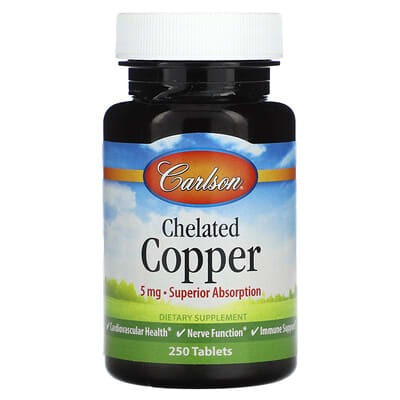
Chelated Copper 5 mg
Healthy Eyes Lutein and Antioxidants
Osteoprime Forte
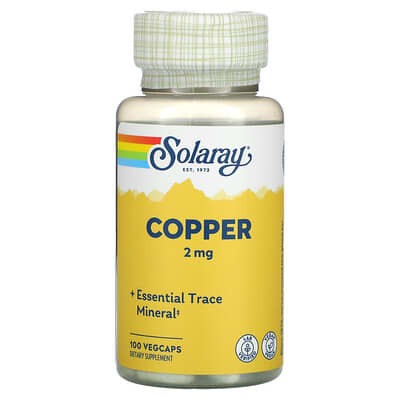
Copper 2 mg
One Daily Men's Health with Lycopene
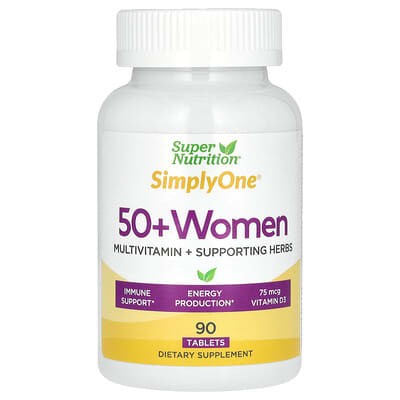
Women's Daily Multi Formula
VisionPro Nutrients
Ocuvite Lutein & Antioxidants
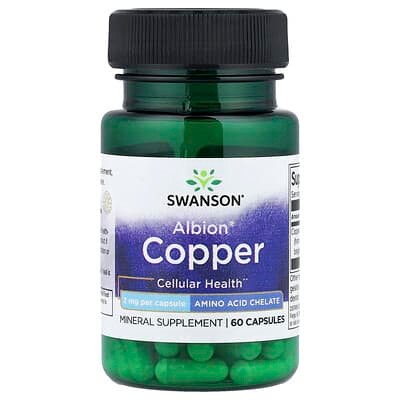
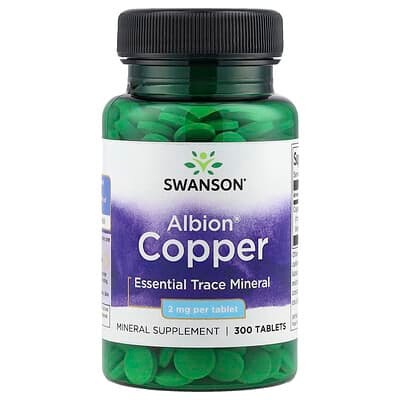
Albion Chelated Copper 2 mg
Skin Nails & Hair
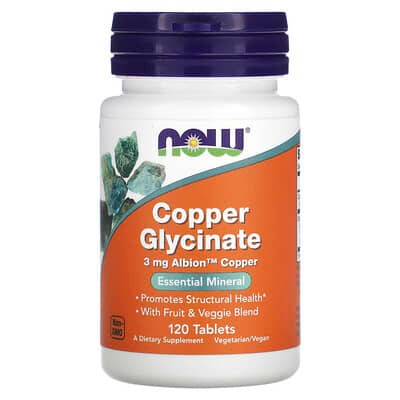
Copper Glycinate 3 mg
Hair/Skin/Nails Ultra
Hair Skin & Nails
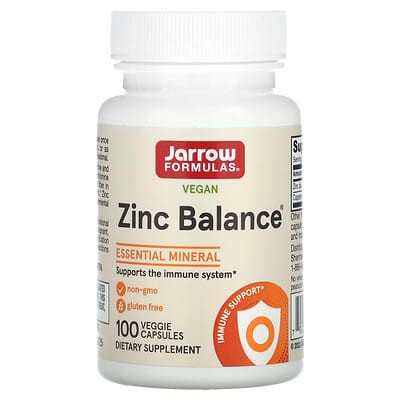
Zinc-Copper Balance
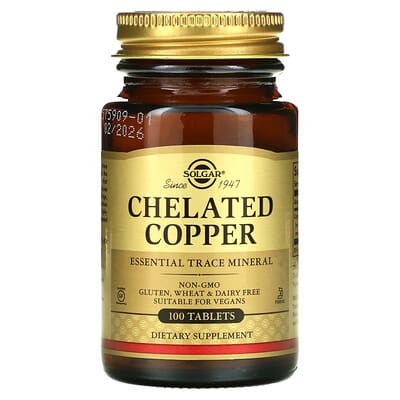
Chelated Copper
Copper Bisglycinate
Collagenics
PreserVision AREDS 2 Formula
Zinc Copper Amino Acid Chelate with Kelp & Pumpkin Seed
Chelated Copper 5 mg
Copper 2 mg
- Good bioavailability
- Widely available and commonly used
- Generally well-tolerated
- May contain a lower percentage of elemental copper by weight compared to some other forms
- Higher doses can cause digestive upset
- Excellent bioavailability and absorption
- Less likely to cause digestive upset compared to inorganic forms
- Reduced interference with other minerals
- May be more expensive than some simpler forms
- Good bioavailability
- Generally well-tolerated
- Organic form
- May be less absorbed than amino acid chelates in some individuals
- Higher doses can still lead to gastrointestinal upset
- Improved bioavailability compared to inorganic salts
- Good digestive tolerance
- Mimics natural absorption pathways
- The specific amino acid(s) used can vary, potentially affecting exact absorption rates
- Generally more expensive than inorganic salts
- Inexpensive and readily available
- Lower bioavailability compared to chelated forms
- Higher potential for gastrointestinal irritation and upset stomach
- Less preferred for human supplementation
- Excellent bioavailability and absorption
- Superior digestive tolerance, gentle on the stomach
- Minimizes interactions with other dietary components for better absorption
- Can be more expensive to produce and purchase
- Potential for specific topical or niche applications (not for general oral use)
- Limited research on oral bioavailability and efficacy in humans
- Not commonly used in general dietary supplements
- May not be readily absorbed orally
- Improved bioavailability compared to inorganic salts
- Generally well-tolerated and less likely to cause digestive upset
- Mimics natural absorption
- Specific amino acids and chelation strength can vary between products, potentially influencing exact efficacy
- May be more expensive than inorganic forms
- High elemental copper content by weight (though poorly absorbed)
- Inexpensive
- Extremely poor bioavailability in humans
- Virtually ineffective as a human dietary supplement
- Limited absorption means most of the copper passes through the digestive system unutilized