Impact
High effect
Typical dose:240–500 mg
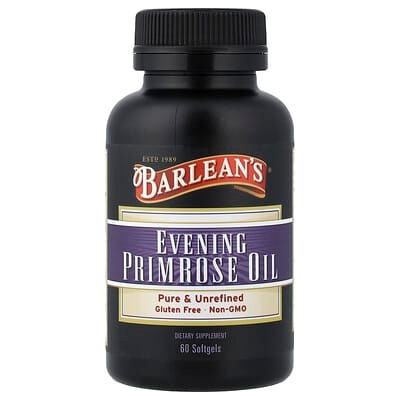
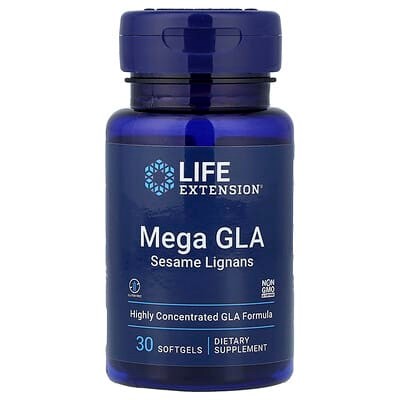
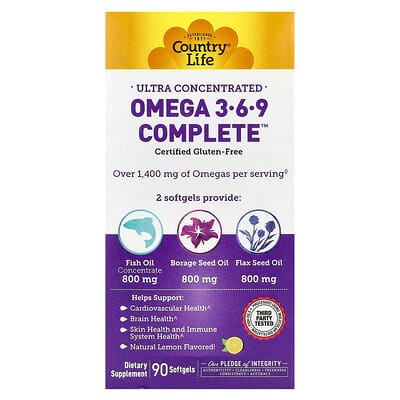
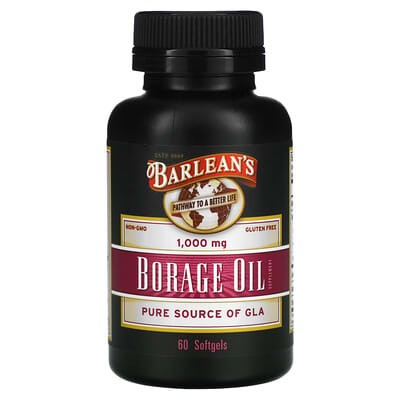
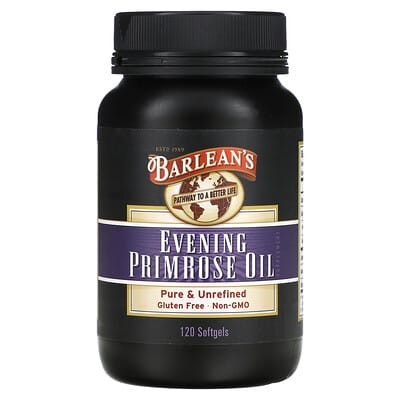
Unlike other omega-6s, GLA (from sources like borage or evening primrose oil) uniquely converts into anti-inflammatory prostaglandins. This makes it highly effective for conditions characterized by inflammation and immune dysregulation, such as rheumatoid arthritis and eczema. Its targeted mechanism places it in the high-impact tier.
Study evidence
7 studiesGamma Linolenic Acid may ease some symptoms of rheumatoid arthritis, but findings vary and do not establish broad anti-inflammatory benefits. Much of the evidence concerns GLA-containing oils, with less certainty about lasting effects on the disease itself.
View goal